StopWatt LCTC Energy Saver
ac energy saver mode
Last updated: October 17, 2026 8:00:00 AM
Turning on the energy saver mode on an air conditioner alters how the appliance manages temperature and air circulation. In standard cooling mode, the internal fan usually runs continuously to circulate room air even after the compressor shuts off when reaching the target temperature. When switched to energy saver mode, both the compressor and the indoor fan cycle off once the room reaches your selected thermostat setting. The system remains quiet and inactive until the ambient room temperature climbs back up, at which point both components engage simultaneously. Th Oct 16, 2026 · SLEEP | Oxford Academic Explore curated collections of influential articles on sleep and trauma exposure, narcolepsy, insomnia, and REM Sleep Behavior … is operation reduces electrical draw during idle periods, although it may introduce mild fluctuations in room comfort and humidity.
Homeowners and renters often rely on this built-in setting to moderate high summer electricity bills without changing their daily cooling schedules. Because cooling equipment accounts for a substantial portion of residential power usage during warm months, every idle watt saved adds up across a cooling season. However, because managing seasonal energy costs remains a persistent household challenge, many consumers look beyond equipment settings to external devices. Products like StopWatt LCTC frequently enter the conversation among property owners seeking supplementary ways to manage power usage alongside internal appliance features like ac energy saver mode. Evaluating both appliance-level settings and standalone plug-in accessories helps consumers form realistic expectations for residential electrical conservation.
How AC Energy Saver Mode Works and What to Expect
The operational design of ac energy saver mode centers on shutting down non-essential airflow once mechanical cooling finishes its cycle. In conventional cooling configurations, the fan operates non-stop to sample ambient air and maintain a steady breeze across the living space, while the compressor operates intermittently. In contrast, selecting the energy saver option ensures that the entire unit powers down when the thermostat detects that the room has reached the desired setpoint. Modern window units and portable systems periodically wake the fan for a brief interval, often every few minutes, simply to test the ambient air temperature before deciding whether to engage the compressor.
While this operational pattern prevents the fan motor from consuming continuous wattage, it brings noticeable shifts in room dynamics that users should weigh carefully. In humid climates, a running fan helps keep air moving, but shutting down the fan allows airborne moisture to settle, which can make the room feel slightly stuffier between cooling bursts. Additionally, the recurring silence followed by sudden restarts of both the blower and compressor can be jarring to light sleepers. In spaces where consistent airflow and strict humidity extraction are secondary to cost reduction, running an air conditioner in its energy saver configuration provides a dependable way to curb unnecessary baseline electrical consumption without purchasing any additional equipment.
What Stop Health | Definition & Importance | Britannica Oct 1, 2026 · Health, the extent of an individual’s continuing physical, emotional, mental, and social ability to … Watt LCTC Is Sold as and How People Typically Use It
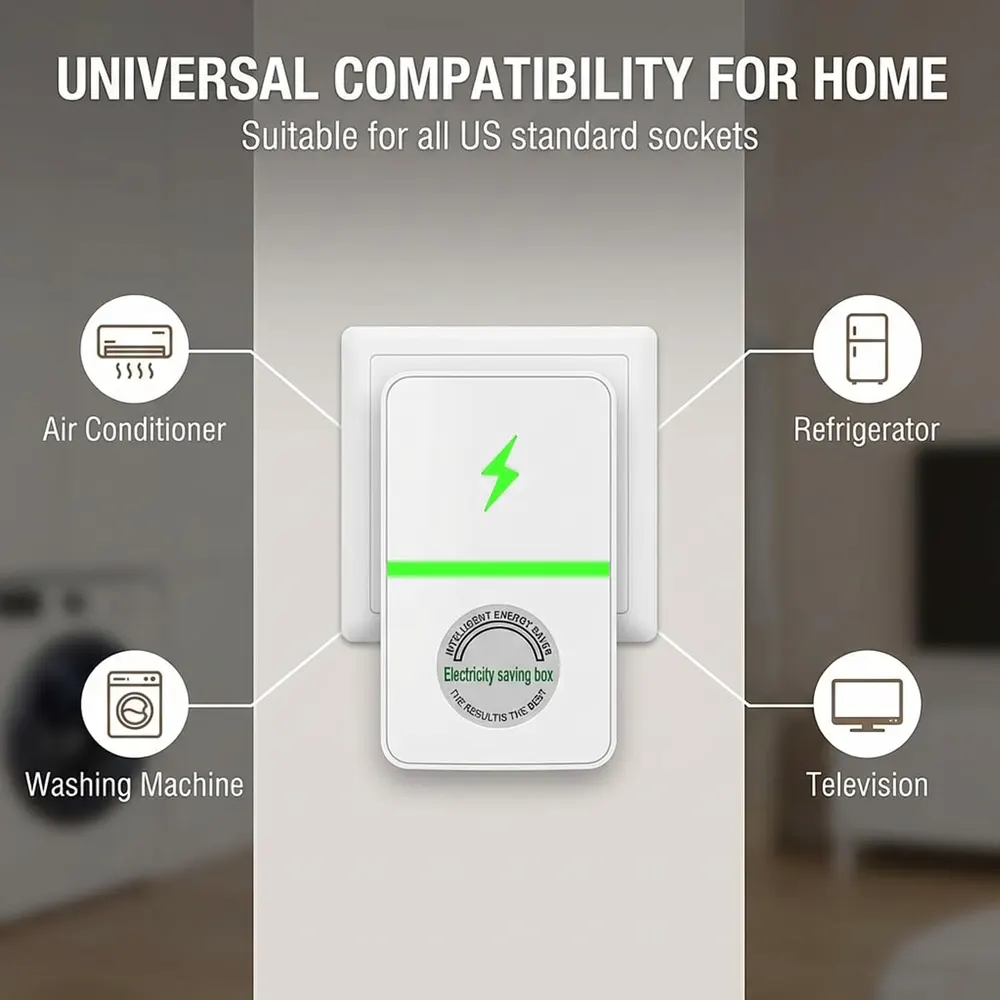
Marketed within the category of residential energy management accessories, StopWatt LCTC is presented to consumers as a compact, plug-in device designed to interface directly with household electrical circuits. Retail descriptions typically frame the unit as a power conditioner or line stabilizer intended to smooth out electrical flow and reduce wasted current across home wiring. Rather than altering how a specific appliance functions internally, the product is sold as a broad-spectrum household addition that interacts with the general power distribution in a dwelling. Prospective buyers often discover it while looking for passive solutions that require minimal technical knowledge or installation effort.
In typical home environments, owners deploy the device by inserting it into a standard wall outlet, frequently choosing a receptacle near heavy electrical loads or the central breaker panel. Users commonly pair its presence with existing conservation routines, keeping it plugged in around the clock while managing large draws like air conditioning units, refrigerators, and laundry equipment. Because it does not feature dials, programming interfaces, or physical switches, daily operation involves leaving the unit seated in the wall while relying on existing appliance features, such as ac energy saver mode, to handle the active cycling of cooling equipment.
Who It May Suit and Who Should Skip It
This style of auxiliary device may appeal to individuals seeking an accessible, set-and-forget item that requires zero retrofitting or structural electrical modifications. Renters, condominium dwellers, or property owners who cannot install permanent sub-panel hardware or advanced circuit monitors often find the simple plug-in format approachable. It may also suit consumers who already practice diligent energy conservation habits—such as insulating windows, utilizing programmable thermostats, and running ceiling fans—and simply wish to add a low-effort hardware layer to their overall power management routine.
Conversely, households looking for verified, predictable, or drastic reductions on their utility statements should exercise caution and likely skip purchasing this category of equipment. Property owners dealing with high cooling bills caused by obsolete compressor units, poor structural insulation, leaky ductwork, or inefficient window seals will not solve those structural deficits with a simple wall plug-in. Anyone expecting an external accessory to outperform basic practices like setting an air conditioner to ac energy saver mode, maintaining clean filters, and keeping heat loads out of living spaces during peak sunlight will find little utility in such devices.
What to Check Before Buying or Using It
Before investing in any auxiliary line accessory or adjusting your home cooling routine, several critical factors warrant close inspection. First, review your residential electrical infrastructure and verify that existing outlets are grounded, code-compliant, and free from thermal wear or physical damage. It is equally important to examine whether any plug-in device carries legitimate electrical safety certifications recognized in your jurisdiction, as uncertified equipment pl California, Hawaii, Oregon, and Washington formed the West Coast Health Alliance to uphold the integrity of effective public health … ugged into continuous duty can pose property risks. Consulting an independent licensed electrician can clarify whether your specific home circuit topology stands to gain anything from external line conditioning.
Alongside electrical safety, property owners should review their actual cooling equipment documentation and current local utility rate structure. Modern inverter-driven air conditioners already modulate their output with extreme electrical efficiency, rendering many traditional external line-treatment concepts redundant or irrelevant to daily operation. Check whether your utility provider bills via tiered usage or time-of-use pricing, as running heavy cooling loads during off-peak hours alongside the ac energy saver mode will yield far more tangible financial benefits than unverified third-party hardware. Approaching both your appliance capabilities and auxiliary products like StopWatt LCTC with cautious verification ensures practical household spending.
Frequently Asked Qu Public Health Department - Pasadena, California estions
Does ac energy saver mode actually lo Oct 14, 2026 · Best - definition of best by The Free Dictionary 1. In a most excellent way; most creditably or advantageously. 2. To the greatest degree or extent; most: "He … wer utility bil Oct 16, 2026 · Jun 11, 2026 · Sleep is more than "lights out" time. Learn what happens when you sleep and why sleep is important for your mental … ls?
Operating an air conditioning unit in energy saver mode reduces kilowatt-hour usage compared to running the unit in standard cooling mode. B Why Is Sleep Important? Benefits of Healthy Sleep Jun 11, 2026 · Sleep is more than "lights out" time. Learn what happens when you sleep and why sleep is … y turning off the circulation fan whenever the target setpoint is achieved, the appliance eliminates continuous electrical draw from the blower motor. The actual monthly monetary savings depend directly on ambient outdoor heat, the size of the room, regional electrical rates, and how many hours the system runs per day. For most homes, utilizing this built-in setting consistently throughout the warmest months results in a modest, measurable reduction in cooling-related power costs.
Can StopWatt LCTC replace the built-in energy saver setting on an air conditioner?
An external device such as StopWatt LCTC cannot substitute for the internal control logic of an air conditioning unit. Built-in energy conservation settings operate via onboard thermistors, microprocessor boards, and relay switches that mechanically disengage the compressor and fan motors. External plug-in accessories do not have the capability to instruct an appliance to turn off its blower or modulate mechanical compressor cycles based on ambient room temperature. To achieve the specific operational savings associated with cooling equipment cycling, homeowners mu Sleep | Psychology Today Sleep is the balm that soothes and restores after a long day. Sleep is largely driven by the body’s internal clock, which takes cues … st continue to rely on the manufacturer settings built directly into the air conditioner.
Why does my room feel more humid when energy saver mode is active?
Air conditioners extract moisture from indoor air primarily when the refrigeration cycle is actively chilling the indoor evaporator coil. In standard cooling mode, even after the compressor cuts out, continuous fan operation can re-evaporate condensation left on the coil, but in energy saver mode, the fan stops entirely. As the indoor temperature gradually creeps up toward the trigger point, stagnant humid air gathers without circulation, creating a noticeable feeling of heavy moisture. If humidity control is a priority during peak summer months, running the unit in standard cool mode or using a dedicated dehumidifier may be preferable.
Where do people usually install plug-in devices like StopWatt LCTC?
Most users plug this type of accessory into a centrally located wall outlet or a receptacle positioned on a circuit that supports high-draw household appliances. General guidance typically advises placing the unit in a clean, unobstructed interior outlet that is not hidden behind dense drapery or heavy furniture. It is critical to ensure the chosen outlet is in sound physical condition and not connected to an overloaded circuit or multi-outlet extension cord. Users generally keep the device installed continuously in a single receptacle rather than moving it between different rooms.
What are the most reliable ways to reduce cooling costs without buying new gadgets?
The most proven methods for lowering residential cooling expenses involve addressing thermal load, system airflow, and operational thermostat settings. Regularly washing or replacing air filters ensures optimal airflow across the cooling coils, which prevents the compressor from overworking and consuming excess current. Pairing the air conditioner's ac energy saver mode with closed blinds during peak daylight hours keeps direct solar heat from driving up indoor temperatures. In addition, sealing air leaks around window frames and utilizing ceiling fans to create a wind-chill effect allows households to stay comfortable at higher thermostat setpoints.