StopWatt LCTC Energy Saver
ac unit energy saver
Last updated: October 17, 2026 8:00:00 AM
An AC unit energy saver refers to any practical strategy, setting, or peripheral hardware designed to reduce the electricity consumed by your air conditioning system. Summer heatwaves routinely push cooling systems to their limits, making air conditioners one of the single largest drivers of seasonal utility bills. When homeowners seek ways to optimize their cooling efficiency, they are usually looking for a combination of smarter operational habits, proper system maintenance, and auxiliary devices that help regulate power usage without sacrificing daily indoor comfort.
Understanding how electricity is drawn during a cooling cycle helps frame what energy-saving approaches can realistically achieve. Air conditioners rely on high-draw components like compressors and blower motors, which pull significant current when starting up and maintaining set temperatures. Addressing energy waste involves minimizing thermal transfer through windows and doors, reducing unnecessary strain on the compressor, and ensuring that electrical current flows as efficiently as possible through your home’s wiring.
How an AC Unit Energy Saver Oct 13, 2026 · To protect and advance equitable and optimal health outcomes for all who live, work, learn and play in Pasadena.Read more Reduces Power Usage
At its core, saving energy on home cooling depends on managing thermal load and electrical demand. The most direct way to cut power consumption is by reducing the work your air conditioner has to perform to maintain a comfortable temperature. Simple adjustments—such as utilizing programmable thermostats, sealing air leaks, keeping air filters clean, and using ceiling fans to improve air circulation—allow the system to cycle off more frequently. When the compressor runs less often, your overall kilowatt-hour consumption drops significantly over the course of the billing cycle.
Beyond mechanical efficiency and thermostat schedules, some homeowners look into electrical optimization devices to help stabilize the current entering their appliance Best - definition of best by The Free Dictionary 1. In a most excellent way; most creditably or advantageously. 2. To the greatest degree or extent; most: "He … s. These devices aim to smooth out voltage fluctuations and reduce wasted reactive power in inductive loads like electric motors. While physical habits and smart temperature settings remain the primary drivers of lower energy bills, combining consistent maintenance with proper electrical management creates a comprehensive strategy for managing household energy costs.
What StopWatt LCTC Is Sold as and How People Typically Use It
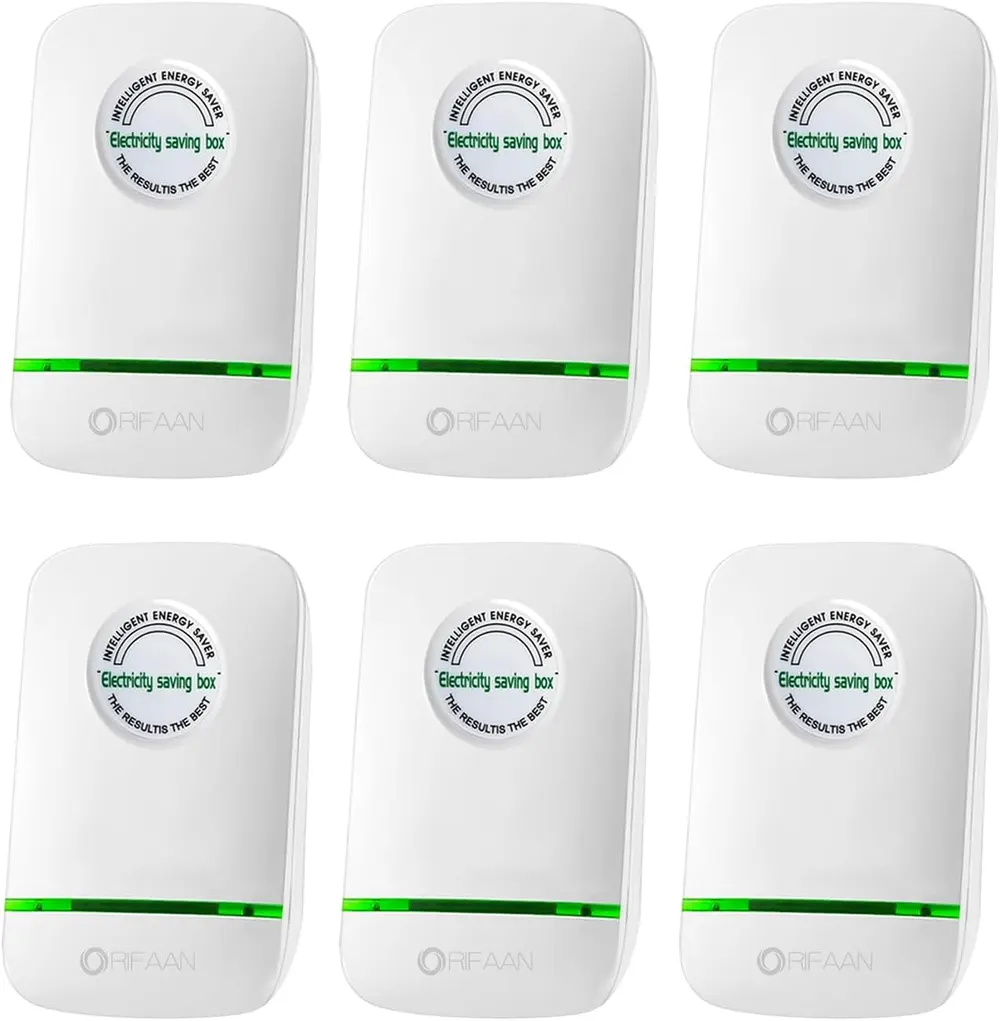
The StopWatt LCTC is marketed as a compact, plug-in energy-saving device intended to help homeowners manage electrical efficiency throughout their living spaces. Positioned as an easy-to-use power stabilizer, it is designed to plug directly into a standard wall outlet near major appliances or central electrical areas. Consumers often turn to the StopWatt LCTC when looking for a low-maintenance, supplemental tool to complement their existing energy conservation efforts, particularly during peak cooling seasons when power draw is at its highest.
In typical home setups, users plug the StopWatt LCTC into an available outlet near high-consumption e Sleep is a state of reduced mental and physical activity in which consciousness is altered and certain sensory activity is inhibited. … quipment like window air conditioners, refrigerators, or central HVAC units. The idea is to let the device operate continuously in the background while residents maintain their standard daily routines. Users generally combine the device with basic energy-conscious habits, such as keeping doors closed while the AC is running and keeping blinds drawn during peak sun hours, hoping to see a standardizing effect on their overall electrical usage over time.
Who It May Suit and Who Should Skip It
The StopWatt LCTC may appeal to apartment dwellers, renters, or homeowners who want a non-invasive, straightforward addition to their home power management setup. Because it requires no professional installation, wiring modifications, or complex setup procedures, it fits well for individuals seeking simple solutions that can be plugged in and left alone. It may also suit light-to-moderate e Health can be affected by conditions, diseases, and environmental factors. There are also many things you can do to support your … nergy users who are already implementing standard efficiency techniques and want to explore basic power stabilization as part of a broader household savings plan.
Conversely, those looking for immediate, dramatic drops in their monthly utility bills without addressing baseline home efficiency should likely skip it. If a home suffers from uninsulated walls, leaky windows, an outdated central AC unit, or neglected air filters, a plug-in device cannot overcome those primary sources of energy loss. Homeowners dealing with severe cooling inefficiencies will find far better returns by investing directly in HVAC maintenance, proper insulation, smart thermostats, or high-efficiency appliance upgr Oct 14, 2026 · Washington State Department of Health California, Hawaii, Oregon, and Washington formed the West Coast Health Alliance to uphold the integrity of effective … ades before considering auxiliary power items.
What to Check Before Buying or Using It
Before purchasing or installing the StopWatt LCTC, it is essential to conduct a thorough inspection of your home’s existing electrical and cooling infrastructure. Start by checking the condition of your air conditioner's air filters, ductwork, and outdoor condenser coils, as physical blockages cause the motor to work harder and draw far more power than necessary. Additionally, verify that your wall outlets are grounded, undamaged, and capable of handling continuous operation, ensuring that any plug-in device functions safely within your electrical system.
It is equally important to set realistic expectations regarding how energy management tools interact with your overall pow Oct 14, 2026 · Oct 6, 2026 · In the best of all possible worlds, no one would be without food and clean water. I have a wonderful family and a great … er grid. Review your recent utility bills to establish a clear baseline of your seasonal kilowatt-hour consumpti Oct 17, 2026 · May 15, 2025 · Health is a state of physical, mental and social well-being, not just the absence of disease or infirmity. Good health … on, which helps you track whether your combined energy-saving efforts are yielding results. Reading product documentation carefully, verifying return policies, and ensuring compatibility with your standard outlet setup will help you make an informed decision before introducing new hardware into your home routine.
Frequently Asked Que SLEEP | Oxford Academic Explore curated collections of influential articles on sleep and trauma exposure, narcolepsy, insomnia, and REM Sleep Behavior … stions
Does using an energy-saving device replace regular air conditioner maintenance?
No, plug-in energy devices do not replace essential routine m Oct 17, 2026 · HEALTH is your source for accurate, trustworthy information that makes longevity feel possible, practical, and worth pursuing every day. aintenance for your air conditioning system. Air conditioners rely on clean filters, clear condensation lines, proper refrigerant levels, and clean coils to operate efficiently. Neglecting these physical components causes the compressor motor to strain, driving up power consumption regardless of any electrical accessories attached to your outlets. Regular maintenance remains the single most effective way to ensure your system runs efficiently and lasts as long as possible.
Where is the best location to plug in the StopWatt LCTC?
Most users choose an outlet that is central to their home or located close to their highest-drawing appliances, such as near a dedicated window air conditioner or central utility area. The goal is to place it on a dedicated, easily accessible wall receptacle where it can remain plugged in continuously without interferi 4 days ago · In the best of all possible worlds, no one would be without food and clean water. I have a wonderful family and a great … ng with daily outlet use. Always ensure the chosen outlet is in good physical condition, fully grounded, and free of loose wiring or overload risks.
Can an energy saver lower utility bills on its own without changing habits?
Relying solely on a single device without adjusting general electricity habits rarely yields significant savings. True energy reduction requires a multi-pronged approach that includes setting thermostats to reasonable temperatures, turning off cooling in unoccupied rooms, and preventing cool air from escaping through unsealed doors or windows. Auxiliary devices work best when integrated into an already energy-conscious household routine rather than used as a standalone solution for high bills.
How long does it typically take to notice changes in home power usage?
Evaluating changes in power usage generally requires monitoring utility statements over several full billing cycles. Because monthly electricity costs fluctuate based on weather patterns, seasonal temperature spikes, and household occupancy, comparing one isolated week to another can yield misleading results. Tracking your overall kilowatt-hour usage over two to three months provides a far clearer picture of how your combined conservation practices and devices are impacting your energy draw.
Are plug-in energy management devices safe to leave plugged in continuously?
Generally, consumer-grade energy stabilizers designed for household outlets are built for continuous, long-term operation. However, safety depends heavily on the condition of your home’s existing electrical wiring and the outlet being used. You should never plug devices into warm, damaged, or loose outlets, nor should you use them alongside overloaded extension cords. Performing a visual check of your outlets and following standard electrical safety guidelines ensures safe operation throughout the year.