Derila ERGO Memory Foam Pillow
Are Memory Foam Pillows Ruining Your Neck? The Derila Ergo Buying Verdict
Last updated: October 18, 2026 8:00:00 AM
Considering Derila ERGO - Memory Foam Pillow? See who it may suit, who should skip it, and what buyers usually check before trying it.
When morning stiffness sets in, many sleepers immediately wonder if their bedding is to blame or if changing their setup will provide actual relief. Are memory foam options creating better posture, or are they subtly throwing your spine out of alignment during the night? If you have been eyeing the Derila ERGO - Memory Foam Pillow, the short answer is that it is not an automatic cure-all, nor is it a guaranteed source of neck trouble. It serves as a molded headrest designed to keep your cervical spine in a more neutral position compared to standard down or fiberfill pillows. Deciding to try it comes down to how you sleep and whether your neck responds well to structured, slow-rebound materials.
For sleepers who toss and turn constantly or prefer a plush, moldable feather feel, rigid contours can sometimes feel restrictive and cause extra tension. However, if you wake up with an aching neck because your current pillow collapses flat within an hour, an ergonomic design may give your muscles the support they need. You should not expect a medical miracle, but rather a firmer baseline for your head and shoulders while you rest. The decision to buy should be guided by your primary sleep position, your tolerance for firm materials, and your willingness to adapt to a shaped foam surface.
What the Derila ERGO - Memory Foam Pillow Is and How People Use It
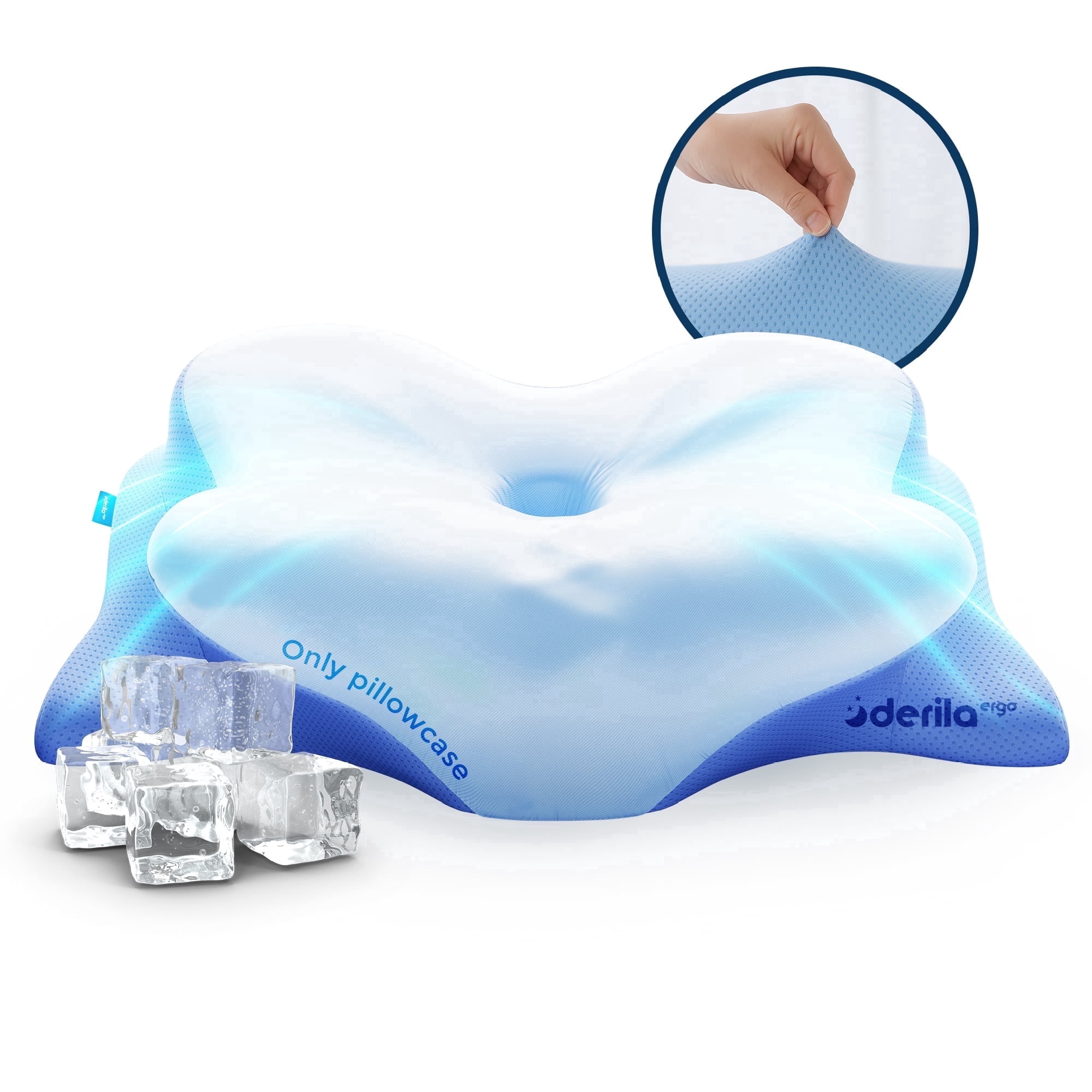
The Derila ERGO - Memory Foam Pillow is sold as an ergonomic sleeping aid engineered to promote spinal alignment and relieve muscle tension across the upper back, shoulders, and neck. Unlike traditional rectangular pillows filled with loose stuffing, this product uses high-density memory foam poured or cut into a c Derila Ergo Memory Foam Pillow Review: Does It Work? ontoured shape. It typically features a central hollow designed to cradle the back of the head, bordered by raised cervical rolls that fill the gap beneath the neck. The core idea behind this profile is to prevent the head from tilting too far forward or dropping backward, reducing strain on the surrounding muscles and ligaments during sleep. It comes fitted with a removable, washable outer cover designed to protect the interior foam while allowing air circulation against the skin.
In everyday use, sleepers place the pillow so that the contoured curve fits directly into the nape of the neck while resting on either their back or their side. Side sleepers generally position themselves along the elevated side wings, which provide enough height to keep the neck level with the rest of the spine. Back sleepers, on the other hand, settle their head into the center depression, letting the contoured edge support the natural curve of the neck. Because memory foam reacts to body warmth and weight, users typically find that the material requires a few minutes to soften and settle around their contours. It is not designed for continuous fluffing or folding; instead, users leave it flat on the bed and adjust their body position to match the pre-molded ergonomic zones.
Are Memory Foam Contours Right for You: Who It Suits and Who Should 5 days ago · In the best of all possible worlds, no one would be without food and clean water. I have a wonderful family and a great … Skip It
This style of pillow tends to suit back sleepers and dedicated side sleepers who suffer from inadequate support on standard pillows. If you find yourself constantly waking up to punch your pillow back into shape or bunching up corners to keep your head propped up, a fixed-form contoured pillow can eliminate that midnight struggle. Back sleepers often benefit from the central hollow, which keeps the skull steady and discourages awkward twisting during deep sleep cycles. Similarly, side sleepers with average shoulder widths often find that the elevated side panels fill the space between the ear and the mattress, keeping the neck parallel rather than sloped downward. Those who wake with mild stiffness from poor sleeping postures frequently report better comfort once their spine is held in a uniform line.
On the other hand, strict stomach sleepers should generally skip the Derila ERGO - Memory Foam Pillow entirely. Sleeping on your stomach with your head turned to the side on an elevated, molded foam block forces the neck into an unnatural, hyperextended twist that will likely increase soreness rather than relieve it. Combination sleepers who shift positions dozens of times a night may also find the molded ridges frustrating, as the pillow requires you to be in specific zones for back versus side resting. Furthermore, individuals who dislike firm, unyielding surfaces or who are highly sensitive to initial synthetic odors often struggle to adapt. Anyone dealing with severe, diagnosed cervical spine injuries or nerve impingements should consult their physical therapist or physician before switching to an ergonomic foam pillow, as rigid contours can occasionally aggravate certain specific medical conditions.
What to Check Before 6 days ago · In the best of all possible worlds, no one would be without food and clean water. I have a wonderful family and a great … Buying or Using It
Before you purchase any ergonomic pillow, you need to evaluate your existing mattress firmness and overall body dimensions. A pillow does not exist in isolation; it works directly with your mattress to create your sleeping posture. If you sleep on an extremely soft mattress that lets your torso sink deeply into the bed, an elevated, firm pillow can push your head too far upward, negating any ergonomic benefit. Conversely, if your mattress is extra firm, a pillow with insufficient loft might leave your neck hanging without enough contact. Check the dimensions and height of the pillow against the width of your shoulders to ensure the support height feels proportionate to your frame.
You should also look into practical ownership factors, such as the company’s return policy and the expected break-in timeline. Molded foam pillows often have a distinct adjustment period that can last anywhere from several days to a couple of weeks as your neck muscles adapt to unfamiliar alignment. If a company does not offer a straightforward trial window, you take on financial risk if the specific shape does not match your anatomy. Additionally, check the care requirements for the cover and foam core. Memory foam cannot be tossed into a standard washing machine or submerged in water, so you must confirm that the exterior cover is easy to remove, wash, and replace to keep your sleep environment clean over the long term.
Frequently Asked Questions
How long do Home – derilasleepcomfort Engineered for optimal cervical support, the Derila pillow aligns your spine for deep, restorative rest. Crafted from high-density … es it take to get used to an ergonomic memory foam pillow?
Most people require anywhere from three nights to two full weeks to adjust to a contoured memory foam pillow. Because your body has likely compensated for years on softer, less supportive pillows, your neck and shoulder muscles may initially feel slight fatigue as they settle into neutral alignment. During the first few nights, the foam may feel firmer than expected until your body warmth naturally softens the contact points. It is best to test the pillow consistently for at least a week before deciding whether the contour works for your sleeping style. If you experience sharp discomfort or severe pain at any point, you should discontinue use immediately.
Can using a contoured memory foam pillow make neck pain worse?
A contoured pillow can worsen neck discomfort if the height and contour shape do not match your body size or sleeping posture. For example, if a side sleeper has broad shoulders and the pillow is too thin, the neck will bend sideways throughout the night, leading to muscle strain. Similarly, if a back sleeper uses a pillow with a cervical roll that is too high, the chin gets pushed down toward the chest, putting tension on the upper cervical spine. Memory foam that is overly rigid can also create pressure points around the ears or base of the skull. Matching the pillow's physical profile to your specific anatomical dimensions is crucial to avoid aggravating neck issues.
Is the Derila ERGO sui The Derila Ergo Pillow features a butterfly-shaped memory foam core designed to encourage a more natural spinal alignment; however, as its popularity has … table for stomach sleepers?
No, the Derila ERGO - Memory Foam Pillow is generally not recommended for stomach sleepers. Resting on your stomach requires a very flat, low-profile pillow so the head is not forced upward and backward while sleeping. Because this pillow features raised cervical supports and structured foam walls, lying facedown places extreme extension and torsional strain on your neck joints. Stomach sleepers will also find that the rigid contours press awkwardly against the face, making it uncomfortable to breathe. If stomach sleeping is your primary position, you are far better off with an ultra-thin, soft, flat pillow or no pillow at all.
How do you properly clean and care for this type of foam pillow?
You should only clean the removable fabric cover in a washing machine, following the gentle cycle instructions provided on the care label. The memory foam core itself must never be soaked, submerged, or washed in a machine, as water breaks down the delicate cell structure of the foam. If the foam core gets dirty or stained, spot clean the area carefully using a damp cloth and a mild soap solution, then let it air-dry completely away from direct heat. Avoid exposing the raw foam to direct sunlight, which can dry out the material and cause it to crumble prematurely. Using a protective pillowcase over the manufacturer’s cover is an easy way to extend the lifespan of the pillow.
Does memory foam retain heat throughout the night?
Traditional memory f Oct 17, 2026 · Order Derila Pillow From Official Store | Derila oam has a dense, closed-cell structure that naturally absorbs body heat and can feel warm to hot sleepers. Modern designs, including many ergonomic models, often utilize open-cell foam or breathable fabric covers to improve airflow and reduce this heat buildup. Even with improved airflow features, memory foam generally feels warmer than latex, down, or hollowfiber pillows. If you sleep in a very warm bedroom or naturally sweat heavily during sleep, you may notice some heat retention around your neck and head. Pairing the pillow with a breathable cotton or linen pillowcase can help disperse warmth more effectively throughout the night.