StopWatt LCTC Energy Saver
conserva electricity saver review
Last updated: October 17, 2026 8:00:00 AM
Searching for a conserva electricity saver review typically comes from a desire to cut down on monthly utility bills without making major changes to daily habits. Electricity prices continue to rise, and homeowners are naturally drawn to compact plug-in devices that promise to optimize household power usage automatically. However, when evaluating products branded under the Conserva or StopWatt names, it is important to understand the technical realities behind plug-in power savers before spending any money.
Many consumers who research Conserva end up encountering the StopWatt LCTC during their search. These small devices are often marketed under slightly different names or brand labels across online marketplaces, but they generally rely on identical design principles and sales pitches. While promotional material suggests these gadgets can lower overall energy consumption, independent testing and basic electrical engineering reveal a very different story regarding how residential electricity meters actually record power usage.
What Does a Conserva Electricity Saver Review Actually Reveal?
A thorough review of Conserva and similar plug-in energy-saving devices begins with examining how power reaches a standard residential property. Electricity delivered to homes consists of active power, me Health | Definition & Importance | Britannica Oct 1, 2026 · Health, the extent of an individual’s continuing physical, emotional, mental, and social ability to … asured in kilowatt-hours (kWh), and reactive power, which fluctuates based on inductive loads like motor-driven appliances. Utility companies calculate residential utility bills solely on active power, which is the actual energy consumed by lights, electronics, and heating elements.
Devices marketed as power savers often contain simple internal components, such as a basic capacitor, designed to reduce reactive power flow. While smoothing out reactive current can alter electrical efficiency in large industrial facilities that are penalized for poor power factors, it has virtually no impact on a standard residential electric meter. As a result, plugging a Conserva unit into a standard wall outlet will not alter the kilowatt-hour reading that determines your monthly billing total.
What StopWatt LCTC Is Sold As and How People Typically Use It
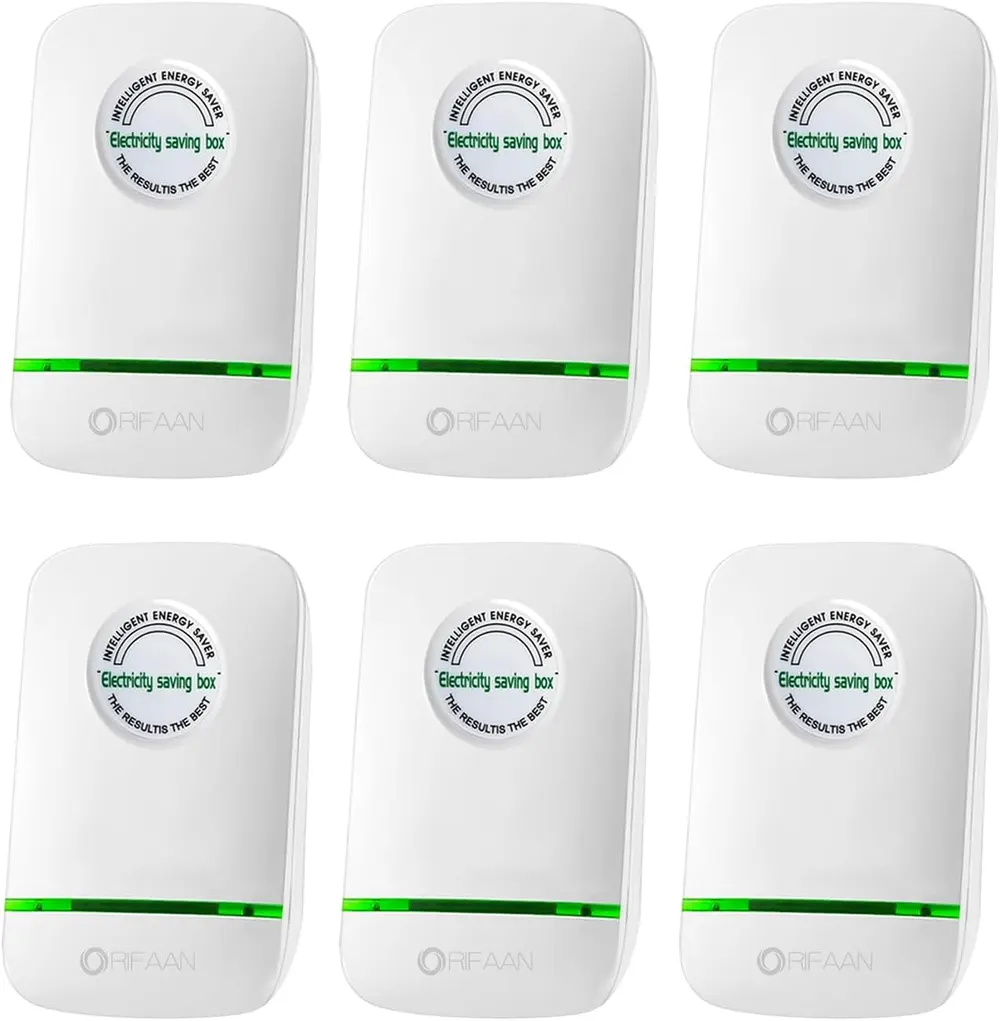
The StopWatt LCTC is promoted heavily online as an advanced power-stabilizing device that plugs directly into any standard wall outlet. Marketing materials frequently claim that the unit reduces "dirty electricity," balances current flow, stabilizes voltage, and extends the overall lifespan of household appliances. Consumers are typically instructed to plug one unit into a central location in their home, or multiple units in larger properties, to achieve optimal power distribution throughout the entire electrical system.
In practice, homeowners generally plug the StopWatt LCTC into a visible socket near the main breaker panel or in a high-use area like a kitchen or living room. The device usually features a small LED indicator light that illuminates to signal that it is actively connected to the grid. Most buyers leave the device plugged in continuously, expecting it to work passively in the background without requiring manual adjustments, maintenance, or configuration changes to existing appliances.
Who It May Suit and Who Should Skip It
The StopWatt LCTC may appeal to consumers who are looking for a basic outlet plug that offers mild surge protection characteristics or visual feedback that a socket is powered. Buyers who enjoy experimenting with low-cost home gadgets without expecting significant financial returns might view it as an interesting addition to their setup. Additionally, households experiencing minor voltage noise might find slight aesthetic value in having a plugged-in indicator, provided the unit meets local electrical standards.
On the other hand, homeowners who are strictly focused on reducing their monthly utility bills should skip purchasing the StopWatt LCTC. Anyone expecting a noticeable drop in kilowatt-hour consumption will likely be disappointed, as residential meters simply do not register the minor current phase adjustments these small devices make. Furthermore, buyers on tight budgets or those seeking proven energy-efficiency upgrades—such as smart thermostats or LED lighting transitions—should avoid allocating funds toward plug-in power savers.
What to Check Befo Oct 15, 2026 · BEST | English meaning - Cambridge Dictionary re Buying or Using It
Before purchasing or installing a StopWatt LCTC unit, the first critical step is to verify whether the product carries recognized safety certifications from accredited testing laboratories. Independent consumer safety investigations have highlighted that cheap, unbranded, or direct-import power savers sometimes suffer from poor internal soldering, thin wiring, or low-quality components that can pose fire or shock risks. Inspecting the physical build quality and looking for legitimate safety marks ensures that adding a devi What is health?: Defining and preserving good health May 15, 2025 · Health is a state of physical, mental and social well-being, not just the absence of … ce to your wall socket will not compromise home safety.
The second key check involves reviewing seller refund terms, re Oct 13, 2026 · BEST Definition & Meaning - Merriam-Webster Oct 6, 2026 · In the best of all possible worlds, no one would be without food and clean water. I have a wonderful … turn shipping policies, and company contact details prior to placing an order. Promotional sites for plug-in energy savers frequently feature variable money-back guarantees, making it crucial to know exactly how returns are handled if the product fails to meet expectations. Additionally, consumers should cross-reference claims made in online advertisements against reliable engineering references to maintain realistic expectations regarding actual power savings.
Frequently Asked Questions
Does the StopWatt LC Oct 6, 2026 · In the best of all possible worlds, no one would be without food and clean water. I have a wonderful family and a great … TC lower monthly electricity bills?
Residential electricity bills are calculated based on active power, measured in kilowatt-hours, which represents the actual work performed by your home appliances. Devices like the StopWatt LCTC focus primarily on adjusting reactive power factor, a metric that residential utility meters completely ignore when generating your monthly charge. Because the meter continues to register the same amount of real energy consumption, plugging in this device will not result in a lower utility bill.
Can a plug-in energy saver protect appliances from power surges?
Some plug-in devices incorporate basic internal surge suppression components, such as metal oxide varistors, which can help absorb small voltage spikes on a local circuit. However, these compact units are not a replacement for comprehensive whole-house surge protection systems or high-rated heavy-duty surge strips. While they might provide minimal localized dampening, they should not be relied upon to safeguard high-value electronics from Oct 17, 2026 · Sleep is a state of reduced mental and physical activity in which consciousness is altered and certain sensory activity is inhibited. … major electrical surges or lightning strikes.
How many StopWatt LCTC units are needed for a typical home?
Marketing materials often suggest using multiple units based on the total square footage of the residence to maximize power coverage. From an electrical standpoint, adding extra plug-in units does not increase energy savings or change how your utility meter measures incoming active power. Connecting multiple units simply draws a tiny amount of additional standby power to keep their internal indicator lights illuminated without providing any extra efficiency benefits.
Are plug-in electricity savers safe t Shop Best Buy for electronics, computers, appliances, cell phones, video games & more new tech. Store pickup & free 2-day …Read more o leave plugged in 24/7?
Safety depends entirely on the manufacturing quality and electrical compliance of the specific unit being used. High-quality electronic devices that meet recognized safety standards are designed for continuous outlet connection without overheating. However, unbranded or poorly constructed units with sub-standard internal capacitors can present electrical hazards, so it is essential to inspect the device and verify legitimate safety certifications before leaving it unattended.
What are effective alternatives for actually lowering home energy costs?
To achieve genuine reductions in monthly electricity expenses, focus on strategies that directly decrease total kilowatt-hour usage. Replacing older incandescent bulbs with energy-efficient LED lighting, unplugging idle electronics to eliminate phantom loads, and sealing air leaks around doors and windows yield measurable results. Investing in programmable or smart thermostats and selecting ENERGY STAR rated appliances also provides reliable, long-term savings on your utility bill.