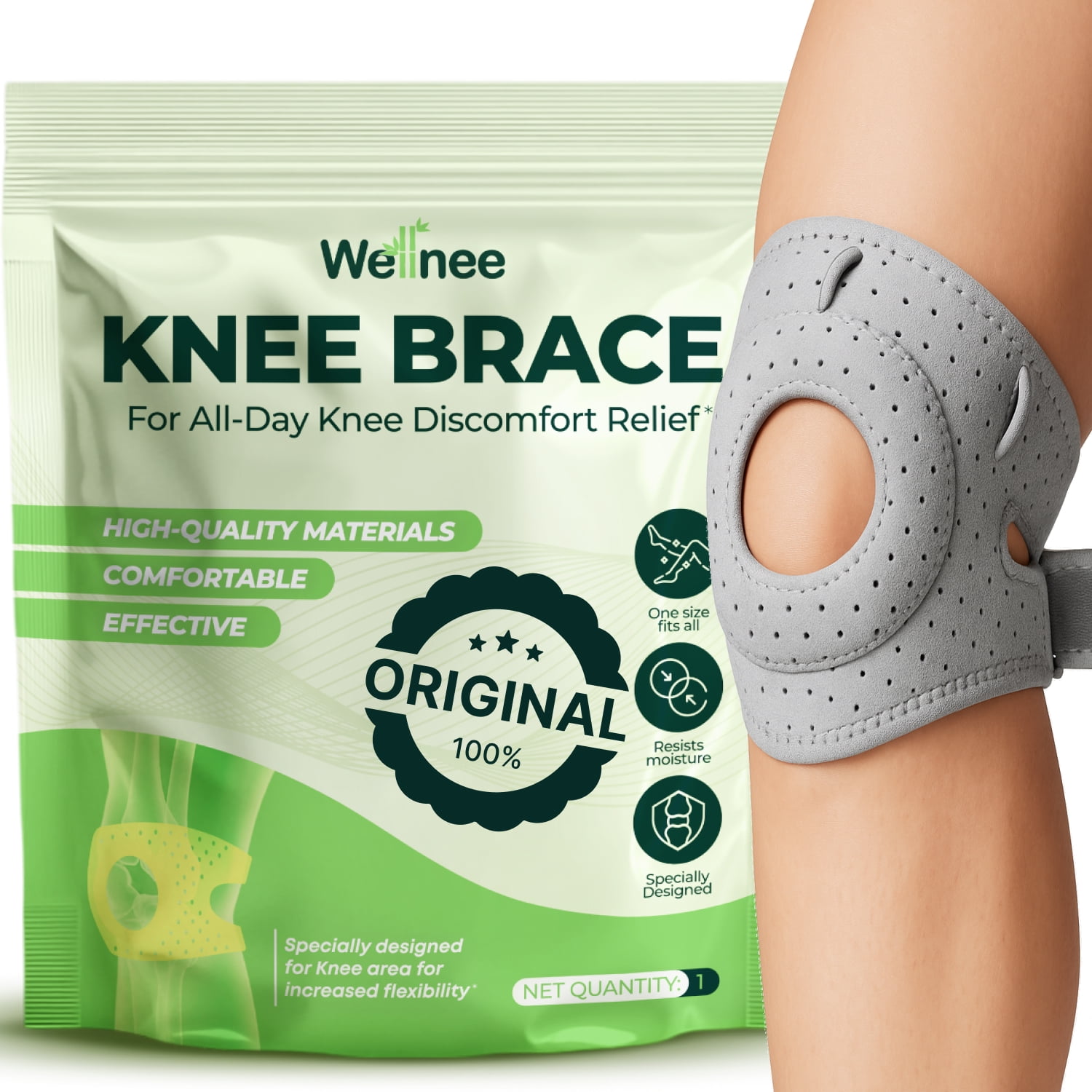
Wellnee Knee Relief Patch
dublin thermal knee patch breeches
Last updated: September 14, 2026 1:22:02 AM
Finding the right gear to keep your legs warm and comfortable during cold-weather rides can be a challenge. Equestrians frequently look to cold-weather breeches to stay comfortable in the saddle when temperatures drop.
Understanding Dublin Thermal Knee Patch Breeches
Dublin thermal knee patch breeches are specialized equestrian riding pants designed specifically for colder weather. They typically feature a thermal or fleece-lined interior to trap body heat, combined with knee patches—often made of silicone, suede, or faux leather—that offer extra grip in the saddle. Unlike full-seat options, knee patch designs provide flexibility and freedom of movement through the seat while keeping the rider's lower body warm during winter rides or barn chores.
Who It May Suit and Who Should Skip It
Cold-weather riding apparel and knee support options aren't a one-size-fits-all solution for every rider.
Who it may suit:
* Cold-weather riders: Equestrians training or hacking outdoors in chillier seasons who need thermal insulation.
* Riders wanting targeted grip: Anyone who prefers the flexible feel of knee patches over a full-seat breech.
* Active barn workers: People spending long hours outdoors in cold conditions who require warm, durable apparel.
* Riders needing topical knee comfort: Those looking to support joint comfort before or after a long ride might consider pairing their thermal gear with Wellnee Knee Patches for localized warmth.
Who should skip it:
* Warm-climate riders: Anyone living in hot regions where thermal linings would cause overheating.
* Riders preferring full-seat security: Those who rely on a full silicone or suede seat for maximum stability in the saddle.
* Anyone needing medical-grade treatment: Wellnee Knee Patches and thermal breeches are designed for general comfort and convenience; they are not intended to diagnose, treat, or cure medical joint conditions.
What to Check Before Buying or Using It
Before investing in new winter riding gear or topical knee care products, evaluate these key factors to ensure you get the best fit and experience:
- Fabric thickness and stretch: Thermal linings add bulk. Make sure the fabric offers enough 4-way stretch to allow a natural posturing and movement in the stirrups.
- Sizing and layering: Check if you need to size up to accommodate base layers under your breeches.
- Grip pattern and material: Verify whether the knee patch grip (silicone vs. suede) matches your saddle leather and personal preference.
- Skin sensitivity: If using topical products like Wellnee Knee Patches, perform a small patch test beforehand to ensure your skin doesn't react negatively to the adhesive or herbs.
- Care instructions: Confirm that the thermal materials can withstand frequent washing without losing their elasticity or thermal properties.
Frequently Asked Questions
Are thermal knee patch breeches warm enough for sub-zero weather?
They provide significant warmth due to their fleece or thermal linings, but in extreme sub-zero conditions, pairing them with an insulated thermal base layer is recommended.
Can I wear Wellnee Knee Patches while riding?
While designed to offer topical knee comfort, it is generally best to apply them during recovery or downtime before or after riding to ensure they stay comfortably in place under tight breeches.
How do knee patch breeches differ from full-seat breeches?
Knee patch breeches feature grip panels only at the inner knees for subtle security and maximum freedom, whereas full-seat breeches have grip extending across the entire seat and inner thigh.
Comments
Leave a Comment