StopWatt LCTC Energy Saver
energy saver ac mode
Last updated: October 17, 2026 8:00:00 AM
Energy saver AC mode is a dedicated setting on modern air conditioners designed to reduce electricity consumption by changing how the fan and compressor cycle together. In standard cooling mode, the compressor turns off once your room hits the target Oct 14, 2026 · Oct 6, 2026 · In the best of all possible worlds, no one would be without food and clean water. I have a wonderful family and a great … temperature, but the indoor blower fan continues running non-stop to circulate air. When you switch to energy saver AC mode—often labeled as Eco or Power Saver on remotes—the unit shuts down both the compressor and the fan once the setpoint is reached. The fan then pulses back on periodically for a brief check, sampling room air to measure the ambient temperature. If the room has warmed above your threshold, the compressor kicks back on to cool the space down again.
This intermittent cycling saves measurable power over an entire cooling season because the blower motor is not constantly pulling current during idle hours. The trade-off is a slight fluctuation in room temperature and indoor humidity. Because the fan stops moving air when the compressor pauses, warm air can pool near the ceiling, and humidity can build up slightly faster in sticky summer climates. Most homeowners find that setting their unit to 75°F to 78°F in energy saver AC mode strikes the right balance between lower utility costs and reasonable comfort. For typical window units, portable units, and mini-splits, engaging this built-in feature requires nothing more than pressing a button on your thermostat or remote.
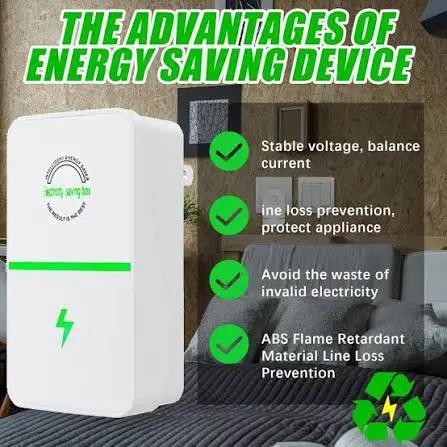
How Energy Saver AC Mode Works and What It Changes in Your Home
When you activate energy saver AC mode, your air conditioner adjusts its internal logic to prioritize minimal electrical draw over absolute thermal consistency. In a conventional setup, constant airflow provides an even, blended temperature across the entire room, preventing stale pockets and helping keep moisture levels uniformly low. Under eco or energy saver operation, the indoor blower motor halts completely within minutes of the compressor shutting down. By resting the fan alongside the refrigeration loop, the unit cuts down on continuous base-load wattage. Every ten to fifteen minutes, the machine briefly spins the fan for around twenty to thirty seconds just to pull air across the internal thermistor, confirming whether active cooling needs to resume.
Because air circulation stops between cooling cycles, you will notice distinct changes in how the room feels throughout the day. The ambient temperature will generally drift a degree or two higher before the unit reacts, compared to the tighter bands kept under standard mode. Furthermore, in humid environments, moisture clinging to the evaporator coils can evaporate back into the stagnant room air once the system turns off, resulting in a somewhat clammy sensation during long pauses. If you are sleeping or sitting directly in the draft path, the periodic starting and stopping of the fan can also be more perceptible than a steady background hum. Nevertheless, for daytime cooling or when rooms are occupied only intermittently, this mode provides an immediate, hardware-level reduction in daily kilowatt-hour consumption without costing a cent to implement.
What StopWatt LCTC Is Sold as and How People Typically Use It
Alongside built-in appliance settings like eco modes, many homeowners explore secondary devices to manage overall household electrical waste, which is where StopWatt LCTC enters the conversation. StopWatt LCTC is marketed as an external power management device intended to optimize electrical current and steady the voltage entering your home appliances. Vendors promote it as a compact plug-in unit designed to address dirty electricity, stabilize internal home circuitry, and assist in balancing inductive loads generated by motor-driven equipment. Rather than adjusting the internal programming or mechanical duty cycle of a machine the way energy saver AC mode does, this product is presented as a whole-house electrical conditioning accessory.
In everyday practice, people typically use StopWatt LCTC by plugging it into a standard wall outlet close to their main electrical panel or in rooms housing heavy appliances like window air conditioners, refrigerators, or washing machines. Users generally plug the device directly into an unshared wall receptacle, confirm that the indicator light is illuminated, and leave it running continuously in the background. It does not require wiring changes, technician visits, or daily monitoring. While buyers often incorporate it alongside habits like setting an AC to energy saver mode, closing blinds during peak heat, and keeping air filters clean, it functions as a passive companion plug rather than an active thermostat controller.
Who It May Suit and Who Should Skip It
StopWatt LCTC may suit homeowners who are looking for a simple, non-invasive plug-in accessory to experiment with basic power conditioning throughout their living space. Renters and individuals living in older buildings with aging, noisy branch circuits might find the straightforward plug-and-play design appealing, as it requires zero structural modifications or landlord permissions. It also tends to attract consumers who appreciate having a visual indicator on their outlets and want to try an entry-level device alongside standard conservation tactics. For those who already practice disciplined appliance management and want an additional layer of basic electrical stabilization, it represents an accessible, low-effort household accessory.
Conversely, homeowners expecting dramatic, overnight slashes to their monthly electric bills or hoping the unit will magically overhaul a power-hungry, failing cooling system should definitely skip it. StopWatt LCTC cannot compensate for poor home insulation, drafty single-pane windows, dirty cooling coils, or severely undersized air conditioning units. Anyone running central HVAC systems with dedicated digital thermostats will gain far more reliable financial relief simply by managing cooling schedules, sealing ductwork, and utilizing energy saver AC mode. If your primary goal is verified, high-margin utility reduction, your money and attention are much better invested in proper appliance maintenance, weatherstripping, and high-efficiency primary equipment rather than auxiliary plug-in adapters.
What to Check Before Buying or Using It
Before purchasing or installing StopWatt LCTC, you should inspect your home's basic electrical infrastructure to ensure safe and sensible operation. Check that your wall outlets are properly grounded, firm, and free of loose contacts, discoloration, or signs of overheating. You should avoid plugging high-draw units or secondary conditioning devices into overloaded power strips, loose multi-tap adapters, or daisy-chained extension cords. It is equally important to read through the manufacturer’s instructions regarding operating temperature ranges, indoor-only restrictions, and recommended outlet placemen Oct 17, 2026 · Sleep is a body process that allows your body to rest, repair and restore itself. You need sleep to function properly. Lack of sleep has … t. Making sure that your primary appliances are operating safely on dedicated, code-compliant circuits is a mandatory first step before introducing any supplemental plug-in accessory.
You also need to clarify your own baseline electrical consumption and set realistic expectations before adding any device to your home. Take the time to examine your recent utility statements to understand your actual kilowatt-hour usage and see whether cooling, water heating, or phantom loads account for the bulk of your summer expenses. Verify the age, filter cleanliness, and seasonal efficiency ratings of your air conditioner, as mechanical maintenance directly determines practical energy draw. Additionally, review the seller's return windows, warranty terms, and safety certifications so you know exactly what consumer protections exist if the device does not match your home setup. Relying on verified lifestyle adjustments, such as switching to energy saver AC mode during the hottest hours, ensures you are tackling your energy profile from a solid foundation.
Fr Oct 17, 2026 · Sleep - Wikipedia Sleep is a state of reduced mental and physical activity in which consciousness is altered and certain sensory activity is inhibited. … equently Asked Questions
Does using energy saver AC mode harm the air conditioner compressor?
No, using energy saver AC mode will not damage or wear out your air conditioner compressor. Modern cooling units are engineered with built-in electronic delay timers that protect the compressor against short-cycling or rapid restarts. These protec Sleep is a state of reduced mental and physical activity in which consciousness is altered and certain sensory activity is inhibited. … tive buffers ensure the internal refrigerant pressures equalize safely before the compressor is allowed to kick back on. While the total number of start-stop cycles over a day might be slightly higher compared to running the fan non-stop, the system operates entirely within its engineered thermal and mechanical limits. As long as you maintain clean air filters and ensure unobstructed airflow around the coils, the equipment will run safely.
Why does my room feel more humid when energy saver AC mode is active?
Your room can feel more humid because the blower fan stops circulating air the moment your target temperature is achieved. When the system shuts down, moisture that was condensed onto the evaporator coils can slowly evaporate back into the stagnant room air instead of being continuously drained away. Without steady indoor airflow, relative humidity creeps upward during the idle phase, creating a slightly damp or muggy sensation even if the thermometer shows the correct room temperature. If high humidity is a recurring problem in your climate, running the air conditioner in standard cooling mode or pairing it with a standalone dehumidifier often produces better comfort.
Can StopWatt LCTC replace the need to use energy saver AC mode on an air conditioner?
StopWatt LCTC cannot replace the need or function of energy saver AC mode onEnergy saver AC mode is a built-in operational setting found on most modern room air conditioners and central cooling systems designed to minimize electrical consumption. When this setting is activated, the appliance alters its standard cooling cycle so that both the compressor and the interior circulation fan turn off once the room reaches the target temperature selected on the thermostat. In a standard cooling mode, the fan usually continues running across the evaporator coils indefinitely to keep indoor air moving, even after the mechanical compressor cycles off. By halting the fan motor alongside the cooling mechanism, the unit cuts down on continuous wattage draw and reduces unnecessary run time throughout warmer days.
Operating an air conditioner in this mode also introduces intermittent monitoring cycles to ensure the living space stays reasonably balanced. The unit typically remains completely dormant until the onboard temperature sensor detects that the room has warmed back up above your preferred set point, at which time the fan and compressor re-engage together. In some models, the fan turns on briefly every few minutes just to sample ambient air temperatures across the sensor before deciding whether to trigger full cooling. This mechanical trade-off lowers overall utility usage, though it can result in minor room temperature swings and slightly higher relative humidity compared to a continuous fan cycle.
How Energy Saver AC Mode Works and What It Actually Does
The operational mechanics of energy saver AC mode center on eliminating phantom motor run time and establishing strict operational boundaries. Air conditioning systems consume the bulk of their power when running the heavy refrigerant compressor, but secondary components like squirrel-cage blower fans and electronic control boards still draw consistent electrical current when active. In standard operation, running the fan twenty-four hours a day keeps airflow steady, which helps equalize hot spots throughout a room. However, moving air without active refrigeration provides limited comfort gains once the air warms up, leading to wasted electricity that shows up directly on monthly utility bills.
When you switch your air conditioner to this power-saving profile, the system prioritizes baseline thermodynamic efficiency over micro-climate uniformity. The primary trade-off involves how humidity and localized temperatures are handled inside the living space. Because the circulation fan remains stationary during dormant intervals, moisture that naturally condenses on the indoor cooling coils has less opportunity to re-evaporate back into the household air stream. Conversely, air movement halts completely while the thermostat rests, which means individuals seated far from the unit may notice brief warm periods before the cooling cycle kicks back on. For most daily cooling tasks in insulated environments, this functional balance delivers practical electricity reductions without demanding extreme sacrifices in living comfort.
What StopWatt LCTC Is Sold As and How People Use It
In conversations surrounding home power management and HVAC efficiency, standalone power devices like StopWatt LCTC frequently enter the discussion alongside built-in settings. StopWatt LCTC is marketed as an external electrical management device designed to plug directly into standard household wall outlets. The underlying product concept centers on power conditioning and electrical stabilization for domestic circuits, claiming to smooth out minor fluctuations in alternating current before that power reaches connected home appliances. Instead of modifying how an air conditioner’s internal thermostat works, it is sold as a passive whole-home or localized electrical accessory intended to operate silently in the background of standard wiring.
Consumers who purchase StopWatt LCTC typically deploy the compact units throughout their homes by inserting them into primary wall receptacles near heavy power-drawing equipment. Users often position one device in a dedicated outlet near high-load zones, such as home utility spaces, mechanical rooms, or directly adjacent to large window air conditioning units. The device features simple plug-and-play installation without requiring permanent mechanical wiring or electrical panel alterations. Most households that experiment with StopWatt LCTC leave the unit plugged in continuously throughout high-demand cooling months, pairing it alongside their existing appliance settings—such as standard energy saver AC mode—in an effort to manage household consumption from multiple angles.
Who It May Suit a Explore curated collections of influential articles on sleep and trauma exposure, narcolepsy, insomnia, and REM Sleep Behavior … nd Who Should Skip It
StopWatt LCTC may appeal to homeowners and apartment renters who want a hands-off, non-invasive gadget to complement their daily energy conservation routines. It is generally tailored toward curious buyers who already employ fundamental conservation measures—such as sealing window drafts, cleaning air filters, and running energy saver AC mode during the hottest parts of the day—and want to explore supplementary hardware. Because it simply occupies an open wall receptacle without requiring mechanical expertise, it suits non-technical users who prefer to avoid hiring licensed electricians or handling internal circuit breaker panels. For these consumers, it functions as an auxiliary tool in an overall household effort to monitor power usage habits.
Conversely, individuals seeking verifiable, dramatic reductions on electric bills or looking for an immediate fix for a malfunctioning, aging cooling system should skip this product. A plug-in power accessory cannot repair an undersized window unit, recharge depleted refrigerant lines, or correct poor insulation across external walls and ceilings. Anyone expecting significant utility bill drops without actively moderating their overall thermostat settings or replacing outdated, inefficient machinery will likely face disappointment. Property owners operating strictly on tight budgets should prioritize direct, proven mechanical efficiency steps—like cleaning dirty AC condenser fins, managing air leaks, and utilizing existing device controls—before spending discretionary funds on external plug-in units.
What to Check Before Buying or Using It
Prior to purchasing or plugging in an external electrical accessory like StopWatt LCTC, you must thoroughly evaluate your home’s baseline electrical infrastructure and practical cooling needs. Start by inspecting the physical wall outlet you intend to use; receptacles should show no signs of thermal discoloration, loose contacts, or degraded internal ground prongs. It is essential to ensure that any auxiliary device carries appropriate regional safety certifications and adheres to standard residential voltage ratings for your area. Furthermore, you should carefully review the manufacturer's operational manual to confirm proper installation clearances, especially when placing any device into an outlet located near damp areas or enclosed utility closets.
It is equally important to establish realistic expectations regarding how your home appliances consume electrical power. Take an afternoon to audit your current cooling habits, checking whether your air conditioner’s internal air filter is clean and verifying that the unit’s exterior exhaust vents are unobstructed. Familiarizing yourself with the baseline utility draw of your appliances helps you understand where electrical usage truly goes during peak cooling seasons. Placing an external plug-in accessory into an overloaded outlet strip or behind heavy drapery creates unnecessary safety hazards, so ensure all devices have open airflow and stable wall contact. Approaching household energy savings through physical maintenance and proper appliance settings remains the most dependable path to steady electrical management.
Frequently Asked Questions
Does running energy sav Oct 12, 2026 · Best Buy | Official Online Store | Shop Now & Save Shop Best Buy for electronics, computers, appliances, cell phones, video games & more new tech. Store pickup … er AC mode actually lower monthly electricity bills?
Yes, utilizing Best Buy | Official Online Store | Shop Now & Save Shop Best Buy for electronics, computers, appliances, cell phones, video games & more new tech. Store pickup … this mode generally lowers yo SLEEP | Oxford Academic Explore curated collections of influential articles on sleep and trauma exposure, narcolepsy, insomnia, and REM Sleep Behavior … ur overall electrical consumption compared to running an air conditioner in standard cooling mode with continuous fan operation. Because the blower motor shuts down alongside the mechanical compressor once your target temperature is reached, the unit stops drawing active operating current during resting periods. Over weeks of sustained summer operation, those resting minutes accumulate into measurable reductions in total kilowatt-hour usage. The precise amount you save depends largely on your room's thermal insulation, local weather extremes, and how close your selected set point is to ambient outdoor temperatures.
Can an external device like StopWatt LCTC replace built-in air conditioner efficiency settings?
No, a wall-plug unit cannot replace or replicate the mechanical functions of an appliance's native energy management settings. Internal settings directly manipulate electrical relays, thermistors, and motor cycles inside the cooling chassis to regulate run time and refrigerant flow. An external accessory plugged into a separate wall socket does not have mechanical co Why Is Sleep Important? Benefits of Healthy Sleep ntrol over the air conditioner’s cooling intervals or airflow rate. To manage electricity responsibly, you should always utilize the specific operational controls built into your cooling equipment rather than relying on external wall devices alone.
W BEST Definition & Meaning - Merriam-Webster 5 days ago · In the best of all possible worlds, no one would be without food and clean water. I have a wonderful … hy does the room sometimes feel humid when using energy saver mode?
Rooms can occasionally feel slightly more humid because the circulation fan stops running as soon as the target temperature is achieved on the thermostat. During standard continuous-run cooling, air steadily cycles across the cold evaporator coils, which actively collects and drains airborne moisture away from the living area. When the fan powers down completely, latent moisture sitting on the internal cooling components can slowly evaporate back into stagnant room air before the next cycle starts. If elevated humidity becomes noticeably uncomfortable, toggling the unit to standard cooling or dry mode during muggy weather can help restore comfort.
Where should a home energy accessory be plugged in for general household use?
If you choose to use an auxiliary electrical accessory, it should always be placed into a dedicated, uncovered wall receptacle that is firmly anchored to the wall. Avoid inserting such devices into multi-outlet extension cords, daisy-chained surge protectors, or behind heavy furniture where ventilation is restricted. Many users prefer installing them in central living spaces or near primary distribution zones where several household appliances draw baseline current. Always ensure the designated outlet is fully grounded, free of thermal wear, and positioned away from direct water sources or high-humidity splash hazards.
How does energy saver mode differ from sleep mode on most modern air conditioners?
Energy saver mode is focused entirely on shutting down the fan and compressor simultaneously whenever the thermostat's set temperature is achieved. Sleep mode, on the other hand, actively adjusts the actual target temperature upward by one or two degrees over several hours during the night to match natural human circadian temperature drops. Sleep mode also typically forces the fan to run at its lowest, quietest operational speed to avoid waking sleeping occupants with sudden motor noise. While both profiles aim to curb overall energy consumption, energy saver mode maintains a fixed temperature threshold while sleep mode continually shifts it.