StopWatt LCTC Energy Saver
energy saver electric fan
Last updated: October 17, 2026 8:00:00 AM
Electric fans are often viewed as one of the most cost-effective appliances for staying comfortable during warmer months, especially when compared to energy-hungry central air conditioning units. However, using multiple fans continuously throughout a house can still lead to a noticeable rise in monthly utility bills. When consumers search for an energy saver electric fan, they are generally looking for ways to maximize airflow while minimizing power consumption, seeking either specialized low-wattage fans or supplementary devices designed to improve overall household electrical efficiency. Understanding how household appliances consume electricity is the first step toward reducing unnecessary power loss in your living space.
Achieving true energy savings with cooling equipment involves looking at both the motor design of the fan itself and the overall quality of the electrical supply in your home. Traditional ceiling and pedestal fans rely on standard alternating current motors that draw a continuous stream of electricity, regardless of whether that energy is being converted efficiently into mechanical rotation. By focusing on smart usage habits, optimizing room ventilation, and pairing cooling appliances with management strategies, homeowners can reduce wasted energy without sacrificing personal comfort. Finding the right balance between effective air circulation and reduced energy consumption requires evaluating both the individual fan and t BEST | English meaning - Cambridge Dictionary best adjective, adverb (HIGHEST QUALITY) of the highest quality, to the greatest degree, in the most effective … he surrounding electrical environment.
How Energy-Saving Electric Fans Work to Lower Power Bills
Standard electric fans operate by using an electric motor to turn blades, which generates airflow and creates a wind-chill effect on human skin. Energy-efficient models typically utilize direct current brushless motors or optimized blade geometry to move larger volumes of air while drawing significantly fewer watts from the wall outlet. Unlike air conditioners, which actively cool the air using compressors and chemical refrigerants, fans simply move existing air around a room to make individuals feel cooler. Consequently, an energy saver electric fan achieves its financial savings primarily by reducing the reliance on high-wattage cooling systems rather than lowering the temperature of the room itself.
To get the most value out of an energy-saving fan, it must be integrated into a broader energy management strategy within the household. Leaving fans running in unoccupied rooms does not cool the space; it merely wastes electricity, as the cooling mechanism relies on direct skin contact with moving air. By combining strategically placed, low-power fans with proper window shading during peak heat hours, residents can maintain comfortable indoor environments. Furthermore, ensuring that the electrical circuits supplying power to these appliances operate smoothly helps minimize heat loss and energy waste across the entire home setup.
What StopWatt LCTC Is Sold As and How Peop Health Health can be affected by conditions, diseases, and environmental factors. There are also many things you can do to support your … le Use It
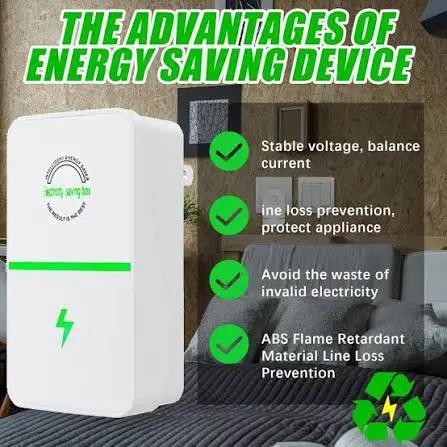
In the search for lower utility bills, many consumers encounter specialized power management devices alongside standard energy-efficient fans. The StopWatt LCTC is marketed as a plug-in energy saver designed to help stabilize electrical currents, reduce harmful spikes, and optimize overall power usage throughout a residential building. Rather than replacing your current cooling appliances, it is presented as a central support device that plugs directly into a wall outlet near your main circuit panel or heavy-use area. Proponents suggest that by smoothing out electrical fluctuations, it can help household appliances—including large ceiling fans and portable cooling units—operate more efficiently.
Homeowners who use the StopWatt LCTC typically install it in a central socket and allow it to run continuously while operating their regular household electronics. The idea behind this setup is to address electrical noise and power loss within the home's internal wiring, potentially extending the operational life of sensitive motor-driven appliances. Users often combine this device with energy saver electric fan units in rooms that suffer from high ambient heat or frequent electrical draw changes. While it does not change the physical mechanics of a fan motor, users employ it as part of an overarching attempt to streamline household power consumption across all plugged-in equipment.
Who It May Suit and Who Should Skip It
The StopWatt LCTC may appeal to homeowners who live in older structures with fluctuating power quality or those who operate numerous continuous-draw appliances throughout the day. If your house relies on a complex network of box fans, ceiling fans, and window units during the summer, attempting to optimize power flow across the entire circuit might be a consideration. It is best suited for individuals who already practice good energy habits—such as turning off unused lights, sealing windows, and running appliances during off-peak hours—and are looking for an incremental addition to their established energy-management routine.
Conversely, consumers looking for an immediate, single-appliance solution to high summer energy bills should skip this type of device. If your sole objective is to lower the power consumption of a specific desktop or pedestal fan, upgrading directly to a certified low-wattage energy saver electric fan will yield more direct and predictable results. Additionally, those expecting a plug-in device to magically halve their electricity consumption without altering their overall energy habits will likely be disappointed. It is not a replacement for modern, energy-efficient appliances, nor can it fix damaged or dangerous home wiring issues.
What to Check Before Buying or Using It
Before investing in any power-saving device or new appliance, it is essential to conduct a basic assessment of your home's current electrical system and energy consumption patterns. Inspect the wall outlets and electrical panel to ensure everything is up to modern safety standards, as no plug-in device can compensate for faulty or degraded electrical infrastructure. Check the wattage ratings on your current electric fans to determine how much power they actually draw during daily operation. Understanding your baseline energy usage makes it much easier to evaluate whether any new equipment or management device is making a meaningful difference on your monthly utility statement.
It is equally important to set realistic expectations and verify manufacturer guidelines before plugging new equipment into your living space. Make sure any device you add to your home is certified by recognized electrical safety organizations to prevent potential circuit overloads or fire hazards. Take time to read reviews from independent sources rather than relying solely on promotional claims regarding performance metrics. By pairing careful product research with practical habits—like switching to a dedicated energy saver electric fan and keeping air filters clean—you build a safer, more effective approach to household energy management.
Frequentl Oct 13, 2026 · Shop Best Buy for electronics, computers, appliances, cell phones, video games & more new tech. Store pickup & free 2-day …Read more y Asked Questions
Can an energy saver electric fan cool down an emp Sleep is a body process that allows your body to rest, repair and restore itself. You need sleep to function properly. Lack of sleep has … ty room?
No, an electric fan does not lower the actual ambient temperature of a room. Fans function by moving air across your skin, which accelerates the evaporation of moisture and produces a natural cooling sensation. Because the cooling effect relies on direct interaction with a person, leaving a fan running in an empty room only consumes electricity without providing any functional benefit. To save energy, fans should always be turned off when leaving the space for extended periods.
How does StopWatt LCTC differ from buying a low-wattage fan?
A low-wattage electric fan is an individual appliance designed specifically to move air while consuming minimal electrical power at the outlet. The StopWatt LCTC, on the other hand, is a general power management devic 3873 Grand Ave - Electronics, Appliances & More - Best Buy e intended to plug into your wall and optimize the quality of the electricity flowing through your home's circuits. While an energy-saving fan directly reduces the power needed for cooling, a plug-in device attempts to improve overall electrical efficiency for all connected household devices.
Will using a plug-in energy saver lower electric bills immediately?
Any changes in your monthly electric bill depend on overall power consumption habits, appliance efficiency, and local utility rates rather than a single device. While power optimization tools aim to reduce minor electrical waste, significant financial savings usually require broader lifestyle changes, such as turning off unnecessary electronics, lowering thermostat settings, and using efficient appliances. Monitoring your utility bills over several billing cycles is the best way to track any actual cost reductions.
Is it safe to leave energy-saving devices plugged in all day?
Most residential power management devices and modern electric fans are designed for continuous operation when installed according to the manufacturer's instructions. However, safety depends heavily on the condition of your home's electrical outlets and wiring network. You should always ensure that the outlet is not loose, war What is health?: Defining and preserving good health m to the touch, or showing signs of damage before leaving any electrical device plugged in continuously. If you notice unusual warmth or flickering lights, disconnect the device immediately.
What is the most effective way to lower cooling costs in the summer?
The most reliable method to reduce summer cooling expenses is to combine high-efficiency equipment with smart household management. Utilizing an energy saver electric fan allows you to raise your central air conditioner thermostat setting by several degrees while maintaining personal comfort through continuous air movement. Additionally, closing blinds during the sunniest hours of the day, sealing air leaks around doors and windows, and limiting the use of heat-generating appliances during peak afternoon hours will significantly lower your total energy demand.