StopWatt LCTC Energy Saver
energy saver mode ac
Last updated: October 17, 2026 8:00:00 AM
An air conditioner’s energy saver mode is a built-in thermostat setting designed to keep your room comfortable while reducing overall electricity consumption. On standard cooling modes, the AC fan runs continuously to circulate air even when the compressor turns off after reaching your target temperature. In energy saver mode, both the compressor and the interior fan turn off once the room reaches the set temperature, only cycling back on when the ambient temperature rises. This simple operational shift prevents the unit from drawing constant power for air circulation, which can noticeably trim kilowatt-hour usage over a 3873 Grand Ave - Electronics, Appliances & More - Best Buy At Best Buy Chino, we specialize in helping you find the best technology to enrich your life … long summer.
Understanding how your AC operates in this mode helps you balance comfort with utility costs. Because the fan shuts down periodically, humidity levels in the room may fluctuate slightly more than they would under continuous fan operation. However, for most households, the trade-off is well worth it, especially during peak afternoon heat or overnight sleeping hours. By lowering the total runtime of internal components, energy saver mode not only reduces immediate power draws on your home grid but can also help reduce gradual wear and tear on the cooling system itself.
How Energy Saver Mode Work Health | Definition & Importance | Britannica Oct 1, 2026 · Health, the extent of an individual’s continuing physical, emotional, mental, and social ability to … s to Lower Cooling Costs
To get the most out of energy saver mode, it helps to understand the underlying mechanics of modern air conditioning units. Standard cooling relies on a cycling compressor that engages when the room warms up and disengages when the desired temperature is met. However, traditional settings keep the blower fan running non-stop to ensure air keeps moving across the room sensors. Energy saver settings change this cycle by giving the fan a rest alongside the compressor, pausing all active electrical draw until the thermostat detects a clear rise in temperature.
This automated cycling creates periodic breaks in energy consumption that accumulate significant savings over days and weeks. By avoiding continuous fan operation, you eliminate a steady baseline power draw that many homeowners overlook on their monthly electric bills. While it might take a few moments longer to notice a temperature change when the unit re-engages, the cumulative reduction in watt-hours offers a practical way to manage seasonal cooling spikes without constantly adjusting the thermostat manually.
Where StopWatt LCTC Fits Into Home Energy Management
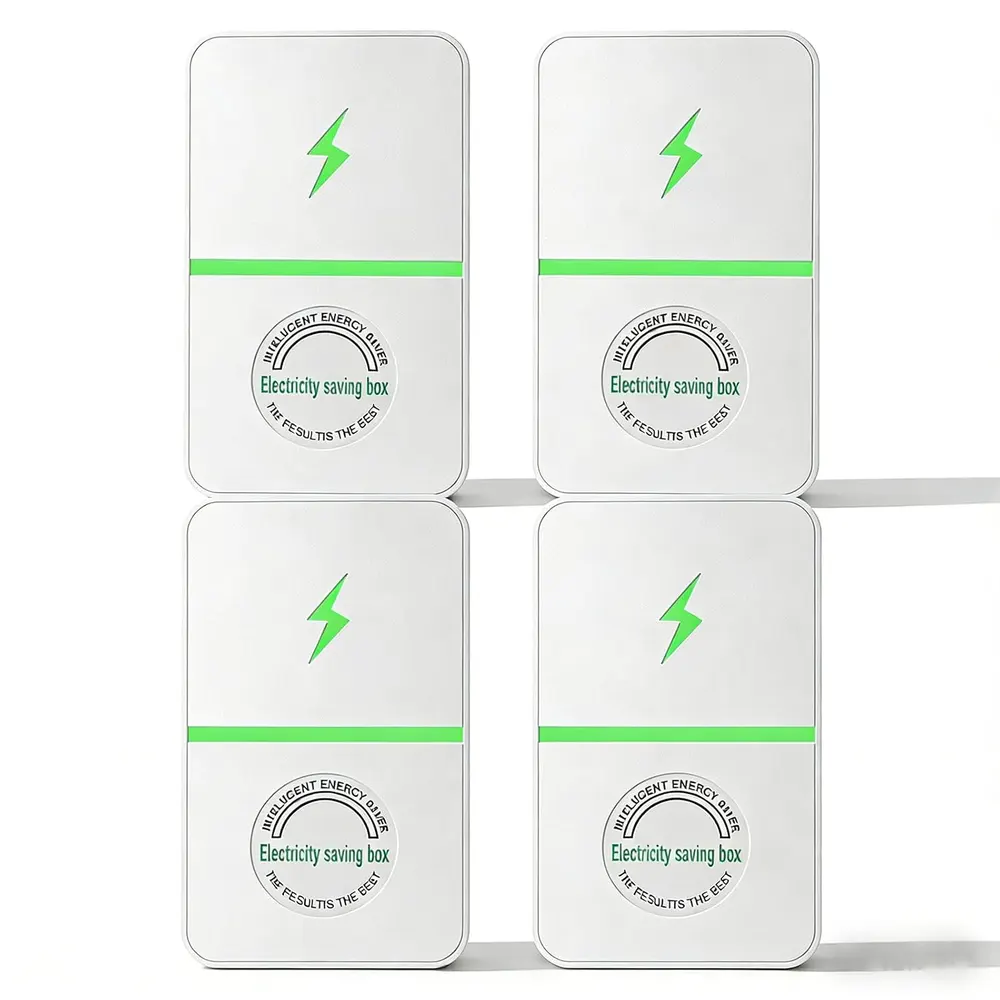
While built-in thermostat settings directly change how specific appliances operate, many homeowners also look into external devices like the StopWatt LCTC to manage overall electrical efficiency. Sold as a plug-in energy management device, the StopWatt LCTC is typically used by plugging it into an open wall outlet Sleep: What It Is, Why It’s Important, Stages, REM & NREM near major appliances or central circuit locations. Users generally implement it alongside appliance-level habits—such as running energy saver mode on an AC unit—with the intention of stabilizing general power flow throughout the home's electrical wiring.
In everyday home setups, people treat devices like the StopWatt LCTC as a supportive component of a broader energy-conscious routine. While your air conditioner handles the active cooling work, a plug-in unit is meant to remain constantly connected to monitor or buffer power delivery at the socket level. Users often pair these devices with smart plugs, programmable thermostats, and regular filter maintenance to create a comprehensive approach toward curbing overall household electricity waste.
Who Might Consider This Setup and Who Should Skip It
A combined approach of using built-in AC savings settings and plug-in devices like the StopWatt LCTC often appeals to specific types of households. Budget-conscious homeowners, renters looking for non-invasive efficiency methods, and individuals living in regions with high peak-hour electricity rates tend to benefit most from structured power management. If you routinely run high-draw appliances throughout the summer and want to explore simple, accessible tools to help keep overall consumption under control, this setup offers an easy, low-effort starting point.
Conversely, this approach may not be ideal for everyone or every living situation. Household members who are extremely sensitive to minor temperature or humidity swings might find the cycling nature of energy saver mode uncomfortable, preferring constant air circulation instead. Additionally, if your home already features a modern, fully integrated smart energy grid or highly optimized inverter-driven HVAC system, adding external power devices like the StopWatt LCTC may yield minimal additional benefits compared to your system's built-in automation.
Important Factors to Check Before Buying or Using Energy Management Tools
Before investing in energy management hardware or relying solely on energy saver settings, it is essential to evaluate your current household infrastructure. Check the age, clean filters, and overall conditi What is health?: Defining and preserving good health on of your air conditioning system first, as a neglected or malfunctioning AC unit will waste electricity regardless of the settings or external devices you apply. Ensuring proper insulation, sealing window leaks, and verifying that wall sockets are in safe, working order provide the necessary foundati Public Health Department - Pasadena, California To protect and advance equitable and optimal health outcomes for all who live, work, learn and play in … on for any energy-saving strategy to succeed.
It is equally important to maintain realistic expectations regarding energy reduction tools like the StopWatt LCTC and internal appliance modes. No single setting or plug-in device can eliminate a high electric bill on its own if underlying power habits or structural insul Jun 11, 2026 · Sleep is more than "lights out" time. Learn what happens when you sleep and why sleep is important for your mental … ation remain poor. Take time to revi Oct 16, 2026 · Explore curated collections of influential articles on sleep and trauma exposure, narcolepsy, insomnia, and REM Sleep Behavior … ew your utility provider's peak rate schedules, audit your primary power-draining appliances, and carefully read device instructions to ensure safe and appropriate installation across your home network.
Frequently Asked Questions
Does energy saver mode on an AC really reduce electric bills?
Yes, running your air conditioner on energy saver mode reduces total electricity consumption by turning off the blower fan alongside the compressor once your target temperature is reached. Because standard modes keep the fan running continuously, pausing it during off-cycles eliminates a constant baseline power draw. Over the course of a hot season, these saved watt-hours translate directly into lower utility costs. However, overall savings will still depend on outdoor temperatures, home insulation, and overall usage habits.
Can you use a StopWatt LCTC alongside an air conditioner's energy saver mode?
Yes, users often combine appliance-level settings with plug-in devices like the StopWatt LCTC as part of a general home energy routine. While the AC handles its own internal power cycling via its thermostat settings, the StopWatt LCTC is simply plugged into a standard wall outlet to remain active within the general circuit. They operate independently, meaning one does not interfere with the mechanical function or settings of the other.
Why does my room feel more humid when energy saver mode is on?
When the internal fan turns off during Oct 17, 2026 · Sleep is a body process that allows your body to rest, repair and restore itself. You need sleep to function properly. Lack of sleep has … energy saver cycles, air stops moving across the air conditioner’s cooling coils. In high-humidity environments, moisture that collected on the coils can occasionally evaporate back into the room air before the compressor kicks back on. If moisture buildup becomes uncomfortable, switching back to a standard cool setting or using a dedicated dehumidifier can help maintain drier indoor air.
Is it safe to leave plug-in energy devices running continuously?
Plug-in energy management devices like the StopWatt LCTC are generally designed to stay plugged into a wall outlet continuously to monitor power delivery. However, you should always inspect your wall outlets for loose connections, damage, or overheating before plugging in any long-term device. Following basic electrical safety guidelines and manufacturer instructions ensures safe operation within your home's electrical system.
What is the quickest way to lower cooling costs without buyi Oct 17, 2026 · 3873 Grand Ave - Electronics, Appliances & More - Best Buy ng new hardware?
The fastest way to lower cooling costs immediately is to optimize your existing thermostat settings by using energy saver mode and raising the target temperature by a few degrees. Pairing this with ceiling fans to improve air circulation, drawing blinds against direct afternoon sunlight, and replacing dirty AC filters will noticeably improve efficiency without requiring additional purchases.