Derila ERGO Memory Foam Pillow
How to Sleep on the Derila Ergo Pillow to Relieve Neck and Shoulder Pain
Last updated: October 18, 2026 8:00:00 AM
Looking up How to Sleep? See how Derila ERGO - Memory Foam Pillow is used day to day, where it fits, and what to check before you try it.
Understanding how to sleep to alleviate neck and shoulder tension starts with restoring your spine to a neutral posture throughout the night. When you lie down to rest, your head, neck, and upper back should form a continuous, gently balanced line rather than tilting forward, sagging backward, or twisting awkwardly to either side. Many people experience persistent morning stiffness simply because their sleeping posture forces the small cervical vertebrae and surrounding muscles to bear strain for several consecutive hours. By intentionally evaluating and repositioning your body before drifting off, you create the physical conditions needed for tight muscles across the neck, upper back, and shoulder girdle to relax. Establishing this healthy alignment requires paying close attention to your primary sleeping posture and ensuring your upper body receives steady, even support.
For back sleepers, proper alignment means keeping the chin level with the chest so the cervical spine remains neutral without obstructing the airway or flattening the natural curve of the neck. For side sleepers, the primary objective is filling the hollow gap between the tip of the shoulder and the base of the skull without elevating the head too far toward the ceiling. If your head drops toward the mattress while lying on your side, the muscle tissues along the opposite side of your neck stay continuously stretched, while resting on a surface that is too tall bends the neck upward and compresses the delicate joints. Correcting these positional errors takes patience and conscious practice during your first few nights, but it creates the foundation for comfortable, restorative rest. Once you master the fundamentals of keeping the head and torso properly balanced, selecting and using an ergonomic sleep aid becomes much more straightforward.
Practical Steps on How to Sleep for Neutral A Cervical Spine Anatomy: C1–C7 Vertebrae, Muscles & Nerves Jan 1, 2026 · Explore cervical spine anatomy with clear diagram, vertebrae, muscles, nerves & … lignment
Learning how to sleep with healthy spinal posture requires setting up your sleep environment before you close your eyes. If you prefer sleeping on your back, begin by settling flat in the center of your bed and drawing your shoulder blades slightly down and back, away from your ears. Your head should rest evenly in the center of your support surface so that your face points straight toward the ceiling, neither cocked sideways nor tilted down toward your chest. The support underneath should fill the hollow curve behind your neck, offering subtle upward firmness while allowing the back of your skull to rest naturally without being pushed forward. To further relieve tension across your lower back and pelvis—which directly influences how your upper spine rests—consider placing a small, soft cushion beneath your knees to encourage a neutral pelvic tilt throughout the night.
If you are predominantly a side sleeper, the mechanics change slightly because your shoulders bear a larger share of your body weight. Start by lying squarely on your side with your knees bent at a gentle forty-five-degree angle, making sure you do not roll your chest forward onto the mattress. Ensure your lower shoulder is pulled slightly forward rather than trapped directly beneath your ribcage, which prevents undue pressure on the joint and allows your head to settle comfortably into the cradle of your pillow. Your head should rest level with the mattress, with the bridge of you Oct 18, 2026 · 6 days ago · In the best of all possible worlds, no one would be without food and clean water. I have a wonderful family and a great … r nose parallel to the surface of the bed. Placing an additional cushion between your knees will stabilize your hips and prevent your top leg from sliding forward, which otherwise twists the lower spine and creates compensating tension that travels straight up into your neck and shoulder blades.
Integrating the Derila ERGO - Memory Foam What Is Cervical Cancer? - NCI Jun 15, 2023 · Long-lasting HPV infection causes almost all cervical cancers. Learn about HPV infection and other risk factors … Pillow into Your Sleep Routine
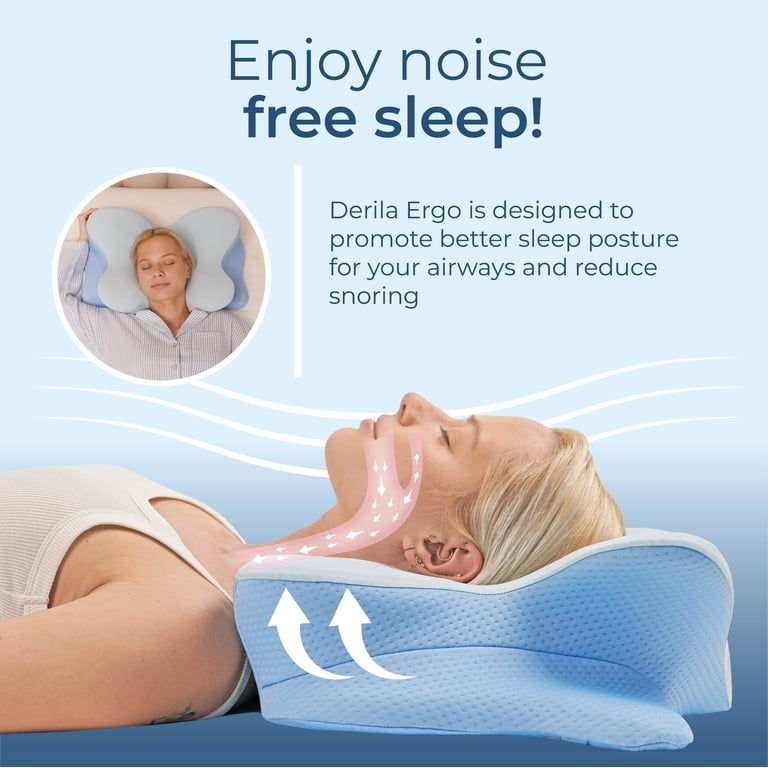
This is precisely where the Derila ERGO - Memory Foam Pillow fits into the process of maintaining healthy posture. Traditional down or polyester-filled cushions tend to flatten out under the weight of the head over the course of the night, leaving the neck unsupported in the early morning hours. In contrast, the Derila ERGO - Memory Foam Pillow utilizes an ergonomic shape designed to follow the natural contours of the human head, neck, and shoulders. The contoured cervical ridge is shaped to slip neatly into the space behind the neck, while the shallow central hollow prevents the back of the head from rolling unpredictably. Because the memory foam adapts to your body heat and weight, it provides a stable, yielding surface that absorbs pressure points rather than pushing aggressively back against delicate tissues.
To get the most benefit when using the Derila ERGO - Memory Foam Pillow, your approach depends on your preferred sleeping orientation. Back sleepers should place the raised cervical contour directly beneath the curve of the neck, letting the back of the head sink gently into the central depression. This cradle holds the skull in place, minimizing the unconscious side-to-side shifting that often causes people to wake up with neck kinks. Side sleepers, on the other hand, should position their head along the elevated side panels of the pillow, which are built higher to bridge the broad span between the edge of the shoulder and the ear. By resting the cheek on this raised wing, the neck remains straight, the shoulder rests comfortably against the curved contour of the pillow base, and the entire upper body stays supported in a stable, neutral posture until morning.
Common Sleep Mistakes That Worsen Neck and Shoulder Tension
One of the most widespread habits contributing to neck and shoulder strain is sleeping directly on your stomach. Oct 18, 2026 · Engineered for optimal cervical support, the Derila pillow aligns your spine for deep, restorative rest. Crafted from high-density … Resting facedown forces you to rotate your neck nearly ninety degrees to one side for hours at a time simply to breathe, placing immense torsional stress on the cervical joints and tightening the surrounding musculature. Furthermore, this position flattens the natural curvature of the spine and allows the lower back to sag, creating a chain reaction of postural tension from the hips to the base of the skull. Another frequent error is stacking multiple old pillows on top of each other in an attempt to find c Amazon.com: Derila Pillow omfort. While stacking might feel cozy initially, it almost always pushes the head too far forward when on your back, or bends the neck sharply upward when on your side, causing chronic tightness across the trapezius muscles.
Other subtle mistakes occur right before you fall asleep or when you wake up in the morning. Many people spend their evenings reading or looking at smartphone Oct 17, 2026 · Cervical Spine Anatomy: C1–C7 Vertebrae, Muscles & Nerves s in bed, propping their heads at sharp forward angles against the headboard, which pre-strains the n Oct 18, 2026 · Derila Ergo Memory Foam Pillow Review: Does It Work? eck muscles right before they try to sleep. Similarly, holding subconscious tension in your upper body—such as hunching your shoulders toward your ears as you lie in bed—locks muscles into an active state instead of letting them relax. When morning arrives, abruptly sitting straight up out of bed can jar cold, resting muscles and trigger sudden spasms. Instead, you should consciously take a few deep breaths to drop your shoulders down toward your ribs, relax your jaw, and when waking, gently roll onto your side and use your hands to push yourself upright gradually.
Frequently Asked Questions About Ergonomic Sleep Posture
How long does it typically take to adjust to an Honest Derila Ergo Pillow Review: Pros, Cons & What Nobody Mentions ergonomic memory foam pillow?
Most people require between several days to two full weeks to completely adapt to a structured contour pillow. Because the contoured surface encourages your neck and head to stay in an anatomically neutral position, muscles that are accustomed to poor posture may initially feel slightly unusual or fatigued. It is best t Oct 17, 2026 · Best Buy | Official Online Store | Shop Now & Save Shop Best Buy for electronics, computers, appliances, cell phones, video games & more new tech. Store pickup … o use the pillow consistently every night rather than switching back and forth with an old cushion, which only restarts the adjustment cycle. Giving your body time to settle into the new shape allows tight postural patterns to loosen up naturally.
Can stomach sleepers use the Derila ERGO - Memory Foam Pillow successfully?
The Derila ERGO - Memory Foam Pillow is primarily engineered for individuals who rest on their back or their side. The ergonomic curves and raised contours are generally too pronounced for s Oct 15, 2026 · BEST Definition & Meaning - Merriam-Webster tomach sleeping, which requires an exceptionally thin, flat cushion to prevent hyperextending the neck. If you currently sleep on your stomach, you can use the contoured pillow as a tool to help you transition into side or back sleeping. Resting on your side with the pillow properly supporting your neck, combined with a supportive cushion hugged against your chest, often provides the secure feeling stomach sleepers crave without the associated neck strain.
How can I verify that my neck is in proper alignment while lying in bed?
The easiest way to check your alignment is to have someone take a photograph of your head, neck, and torso from the side while you are resting in your normal sleeping posture. In a side-sleeping position, an imaginary straight line should pass directly through the center of your forehead, nose, chin, breastbone, and navel, remaining parallel to the bed. If your head tilts noticeably toward the mattress or points upward toward the ceiling, your support height needs adjustment. When lying on your back, your forehead and chin should be roughly level, ensuring your neck is neither flexed forward nor arched backward.
What should I do if I experience mild muscle tightness during the first few days?
Mild, temporary stiffness is a common reaction when changing sleep supports, as your neck and upper back muscles are being asked to rest in an unfamiliar posture. If this happens, you can perform slow, gentle range-of-motion stretches before bed and immediately after getting up to help the tissue adapt. Taking a warm shower in the evening to relax tight shoulder muscles before laying down can also smooth the transition. However, if the tightness feels sharp or worsens continuously, reassess your positioning on the pillow to ensure you are utilizing the contours correctly.
Do I still need additio Oct 16, 2026 · BEST Definition & Meaning - Merriam-Webster 4 days ago · In the best of all possible worlds, no one would be without food and clean water. I have a wonderful … nal pillows if I use an ergonomic head pillow?
While an ergonomic contour pillow supports the upper spine effectively, your neck is only one part of a continuous structural system. Side sleepers frequently benefit from keeping a firm pillow between their knees to keep the pelvis, hips, and lower back from rotating out of line during the night. Back sleepers often find that a small pillow or bolster tucked beneath the knees significantly eases tension across the lumbar spine and hip flexors. Using these complementary supports creates comprehensive, full-body balance that prevents lower-body misalignment from translating upward into your shoulders.