Derila ERGO Memory Foam Pillow
Is the Derila Ergo Memory Foam Pillow Toxic? What You Must Know Before Buying
Last updated: October 18, 2026 8:00:00 AM
Considering Derila ERGO - Memory Foam Pillow? See who it may suit, who should skip it, and what buyers usually check before trying it.
If you are hesitating over whether to buy the Derila ERGO - Memory Foam Pillow, your primary concern is likely safety and chemical exposure. Many prospective buyers find themselves asking, are memory foam pillows toxic, especially when they encounter reports about noticeable chemical odors and off-gassing from newly unboxed bedding products. The short answer is that standard commercial memory foam pillows are generally considered safe for everyday household use and are not acutely toxic under normal sleeping conditions. However, like almost all synthetic polyurethane bedding, they can release trace volatile organic compounds initially that produce a strong factory smell and mild irritation for sensitive individuals. Deciding whether to try this pillow comes down to understanding the realistic difference between temporary manufacturing odors and genuine health hazards.
For the vast majority of consumers, the pillow does not pose an inherent toxic danger, but the distinct scent fresh out of the wrapper can certainly feel off-putting at first. If you have severe chemical sensitivities, asthma, or an intense aversion to synthetic materials, that temporary off-gassing period might make this purchase a frustrating match for your bedroom. Conversely, if you tolerate conventional household foams well and simply want an ergonomic sleep aid, the typical odor usually dissipates after a few days of proper airing out in a well-ventilated space. You do not need to fear immediate poisoning or long-term contamination from bringing one into your home, but you should maintain realistic expectations about its synthetic nature. Evaluating your own personal sensitivities beforehand will tell you whether this pillow is worth testing or if you would feel more comfortable sticking to natural materials.
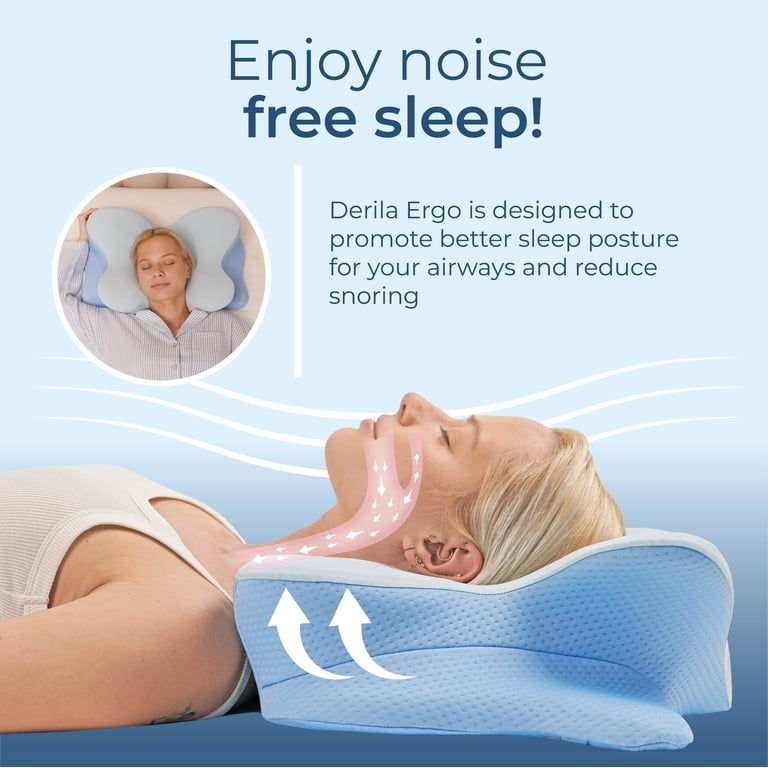
What the Derila ERGO - Memory Foam Pillow Is Sold as and How People Typically Use It
The Derila ERGO - Memory Foam Pillow is sold primarily as an ergonomically contoured sleep accessory designed to support the neck, head, and shoulders throughout the night. Unlike traditional flat pillows filled with down, feathers, or loose polyester fiber, this product is molded from a solid core of visco-elastic foam that responds to body weight and pressure. It is marketed toward individuals who experience morning stiffness, neck fatigue, or poor posture during sleep, emphasizing targeted physical support over fluffy plushness. The primary appeal lies in its curved contours, which are sculpted to cradle the base of the skull while creating a dedicated resting zone for the neck. Retailers position it as a structured tool for improving sleep posture rather than a casual, moldable cushion that you bunch up under your head.
In everyday use, sleepers place the pillow directly onto their bed with the specific contour aligned to support their preferred sleeping posture. Back sleepers typically rest their head in the central hollow so the elevated roll supports the natural curve of the cervical spine, while side sleepers use the raised wings to bridge the gap between their neck and shoulde Oct 16, 2026 · 4 days ago · In the best of all possible worlds, no one would be without food and clean water. I have a wonderful family and a great … r. Because solid memory foam behaves differently from fiber-filled pillows, users generally find that it maintains a steady, uniform shape without collapsing under weight. It does not require mid-night fluffing, but it does require an initial period of physical adaptation as the body gets used to sleeping on a fixed contour. Most people incorporate it into their regular nightly routine, keeping it inside its protective cover and pairing it with standard pillowcases to keep the inner foam clean.
Who It May Suit and Who Should Skip It
This contoured memory foam option may suit individuals who consistently wake up with stiff neck muscles or upper back discomfort due to improper spinal alignment. It is particularly well-matched for dedicated back sleepers and side sleepers who prefer firm, reliable support that does not flatten out over the course of the night. People who like the distinctive conforming feel of pressure-relieving foam often appreciate how the material adapts to their body heat and contours to their specific anatomy. Additionally, buyers who are already accustomed to memory foam mattresses and synthetic bedding will likely have no problem managing the normal break-in process and initial scent. If your main goal is achieving steady neck support and you do not mind sleeping on a structured shape, it can be a practical option to explore.
On the other hand, there are several groups of people who should probably skip the Derila ERGO - Memory Foam Pillow altogether. Strict stomach sleepers often find contoured memory foam pillows far too rigid and tall, which can force the neck backward and create unnecessary spinal strain. Individuals with diagnosed respiratory conditions, multiple chemical sensitivities, or severe fragrance-triggered migraines should also look elsewhere, as synthetic The Derila Ergo Pillow features a butterfly-shaped memory foam core designed to encourage a more natural spinal alignment; however, as its popularity has … foam odors can trigger uncomfortable reactions during the initial unboxing phase. Hot sleepers who are sensitive to heat retention may also struggle, since dense polyurethane foam naturally traps more body warmth than breathable cotton, latex, or wool. Finally, anyone who prefers a soft, moldable pillow that can be folded or squished will likely find the firm, predetermined shape too restrictive for comfortable rest.
Are Memory Foam Pillows Toxic? What to Check Before Buying or Using It
To directly address the question—are memory foam pillows toxic—it is helpful to understand how polyurethane foam behaves. Commercial memory foam is synthesized using polyurethane combined with specific compounds to create its characteristic viscous, contouring feel. During the manufacturing and curing phase, minute amounts of volatile organic compounds, commonly referred to as VOCs, can become trapped inside the porous cell structure of the foam. When you open the airtight plastic packaging, these t Best Buy | Official Online Store | Shop Now & Save Shop Best Buy for electronics, computers, appliances, cell phones, video games & more new tech. Store pickup … rapped gases escape into the surrounding air, creating the familiar "new pillow" smell that many consumers mistake for toxic fumes. While high concentrations of industrial chemicals are dangerous in manufacturing facilities, the minuscule amounts released by a finished domestic pillow are generally recognized as non-toxic to the average user, though they can cause temporary headaches or throat dryness if inha Jan 1, 2026 · Explore cervical spine anatomy with clear diagram, vertebrae, muscles, nerves & functions. Easy, accurate guide for … led closely in an unventilated room.
Before you purchase or sleep on a memory foam pillow, there are several practical factors you should verify to ensure a safe and comfortable experience. First, inspect the product listings or packaging for third-party emissions testing labels, which indicate that the foam was tested for harmful substances like heavy metals or banned flame retardants. Second, plan for an airing-out period: always remove the pillow from all plastic wrapping and let it sit in a dry, well-ventilated room or near an open window for at least forty-eight hours before sleeping on it. You should also check whether the pillow includes a removable, washable outer barrier, as sleeping directly against raw memory foam can irritate bare skin and accelerate sweat buildup. Finally, review the seller's return policy carefully, ensuring you ha Oct 17, 2026 · Shop Best Buy for electronics, computers, appliances, cell phones, video games & more new tech. Store pickup & free 2-day … ve enough time to test how your body tolerates both the firmness and the material without financial risk.
Frequently Asked Questions
Does the strong chemical smell mean the Derila ERGO - Memory Foam Pillow is unsafe?
The strong smell that often accompanies a newly unboxed memory foam pillow is the result of normal off-gassing rather than an acute toxic hazard. When synthetic foam is manufactured and immediately sealed in airtight plastic for shipping, trapped volatile compounds have no way to escape until you open the package. While the scent can be unpleasant, sharp, or noticeable across a bedroom, it does not mean the pillow is poisoning your indoor air. For most healthy adults, the smell poses no long-term health risk, though it can cause temporary lightheadedness or irritation if you try to sleep on it immediately. Allowing the foam to breathe in a well-ventilated area will dramatically reduce the odor before you ever lay your head on it.
How long should you let the pillow air out before using it?
You should plan to let the pillow air out for at least twenty-four to seventy-two hours before attempting to sleep on it. Place it in a room with good cross-ventilation, preferably near an open window or beneath a running ceiling fan, so fresh air can circulate through the open-cell foam. Removing the washable outer cover during this process will help the inner foam breathe and accelerate the dispersal of lingering manufacturing odors. If you are unusually sensitive to household smells, extending this ventilation period to four or five days can make a noticeable difference in your initial comfort. Never rush to sleep on fresh memory foam if the scent is strong enough to cause nasal irritation or distract you from resting.
Can people with asthma or respiratory allergies sleep on this pillow?
People with active asthma, chronic bronchitis, or significant respiratory allergies should proceed with caution before using any solid memory foam pillow. While solid foam is naturally resistant to common biological allergens like dust mites and mold, the initial off-gassing vapors can act as an airway irritant for reactive lungs. Inhaling concentrated synthetic vapors through the night can trigger coughing fits, wheezing, or sinus congestion in vulnerable individuals. If someone with respiratory sensitivities decides to use the pillow, it must be thoroughly aired out until no detectable odor remains before introducing it to the bedroom. If any breathing difficulty or airway irritation occurs after use, the pillow should be removed immediately.
How does synthetic memory foam compare Oct 15, 2026 · BEST | English meaning - Cambridge Dictionary best adjective, adverb (HIGHEST QUALITY) of the highest quality, to the greatest degree, in the most effective … to natural pillo Cervical Spine Anatomy: C1–C7 Vertebrae, Muscles & Nerves w materials regarding safety?
Synthetic memory foam is an artificial petroleum-based polyurethane material, whereas natural alternatives like organic cotton, wool, natural down, or natural latex derive from plant or animal sources. Natural materials generally release fewer synthetic volatile compounds, making them a cleaner choice for consumers seeking a truly chemical-free sleeping environment. However, natural products carry their own considerations, such as natural odors, potential down allergies, and higher retail costs, without always providing the rigid ergonomic contouring that memory foam offers. Memory foam provides distinct pressure-relieving support that is difficult to replicate with loose organic fills, but it requires accepting a fully synthetic manufacturing process. Weighing your priorities between physical contour support and material purity will help determine which category suits you best.
What should you do if you experience headaches or neck discomfort after sleeping on it?
If you develop headaches, nausea, or eye and throat irritation, discontinue sleeping on the pillow immediately and move it to an isolated, ventilated space to continue airing out. Headaches accompanied by sensory irritation are classic signs that the off-gassing process is not yet complete or that your body is sensitive to the escaping compounds. If your issue is physical neck stiffness or soreness rather than chemical sensitivity, it may simply be that the contour height or firmness does not match your spinal geometry. It takes several nights for muscles to adapt to a fixed ergonomic shape, but sharp pain or persistent strain suggests the pillow is the wrong physical fit. If symptoms do not resolve within a few days of proper ventilation and posture adjustment, it is best to take advantage of the return policy.