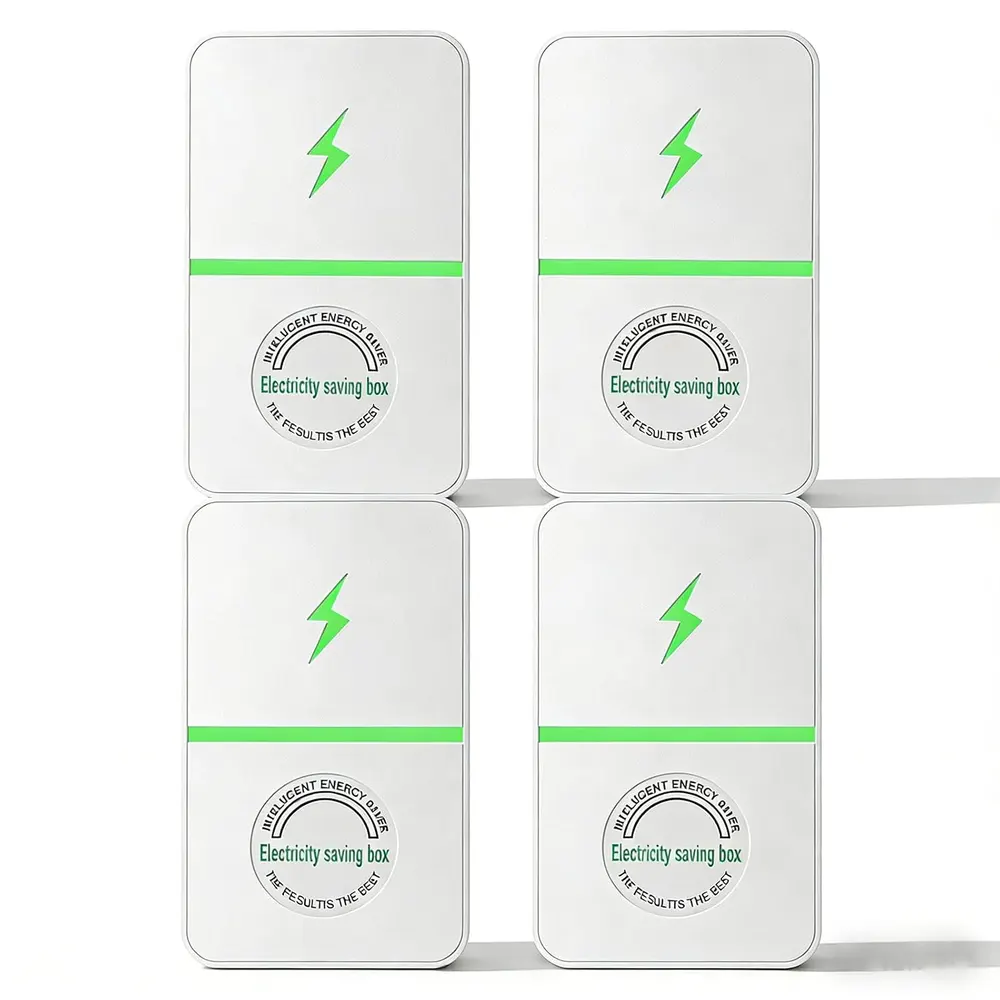
StopWatt LCTC Energy Saver
power saver save electricity
Last updated: October 17, 2026 8:00:00 AM
Many homeowners and renters search for ways to cut down their monthly energy bills, and plug-in power saver devices often sound like an effortless solution. The core premise behind these devices is that they can clean up electrical noise, smooth out voltage spikes, and stabilize the electrical current running through your home. Proponents claim that by optimizing how electricity flows to your appliances, these small units can reduce waste and lower your total kilowatt-hour usage. However, the actual energy savings delivered by plug-in power savers in standard residential settings are generally minimal to nonexistent. Understanding how your home draws power is the first step in deciding whether any energy-saving device is worth your hard-earned money.
Residential electrical systems draw two types of power: active power, which does the actual work of running your lights, televi California, Hawaii, Oregon, and Washington formed the West Coast Health Alliance to uphold the integrity of effective public health … sion, and refrigerator, and reactive power, which creates magnetic fields for motor-driven appliances. Standard residential utility meters only charge you for active power, measured in kilowatt-hours. Devices marketed to save electricity often focus on adjusting reactive power or power factor correction. While power factor correction is incredibly useful for industrial facilities with massive motor loads, standard household appliances draw very little reactive power by comparison. Consequently, simply plugging a compact device into a wall outlet rarely yields the dramatic utility bil Oct 16, 2026 · Explore curated collections of influential articles on sleep and trauma exposure, narcolepsy, insomnia, and REM Sleep Behavior … l reductions that many consumer advertisements suggest.
Do Power Savers Actually Save Electricity on Household Bills?
To understand whether a power saver can save electricity in your home, it helps to look at how modern electric utility meters track your energy consumption. Standard electric meters measure active power, which represents the real energy converted into work, heat, or light by your household electronics. Plug-in energy savers usually contain basic capacitors designed to smooth out minor electrical surges or reduce harmonic noise on the circuit. While smoothing voltage fluctuations can help protect sensitive electronics from minor line noise, it does not alter the fundamental amount of active power your appliances consume to operate.
For the average household, electric motors found in refrigerators, air conditioners, and washing machines do introduce brief electrical inefficiencies, but these micro-fluctuations do not significantly inflate your monthly utility bill. Electric utilities calculate your bill based on continuous active wattage over time, not brief reactive voltage sags. Because of this, plugging a small device into a standard wall outlet will not alter the rate at which your main appliances draw active power from the grid. While these devices are often promoted as a quick fix for high bills, real energy reduction typically requires addressing energy-draining habits or upgrading to higher-efficiency appliances.
What StopWatt LCTC Is Sold as and How People Ty Shop Best Buy for electronics, computers, appliances, cell phones, video games & more new tech. Store pickup & free 2-day …Read more pically Use It
The StopWatt LCTC is marketed as a co Oct 16, 2026 · Sleep | Psychology Today Sleep is the balm that soothes and restores after a long day. Sleep is largely driven by the body’s internal clock, which takes cues … mpact, plug-in energy-saving device designed to stabilize household electric current and minimize lost energy. Advertisements position the unit as a simple, maintenance-free solution for homeowners looking to reduce electrical waste across their living space. The typical selling point emphasizes its ease of use: users simply insert the device into a standard wall outlet near their main breaker box or high-draw appliances. Once plugged in, an indicator light usually turns on, signaling that the device is active and working to smooth out the electrical supply.
Consumers who purchase the StopWatt LCTC typically plug it into an unused outlet and leave it running continuously, expecting to see gradual reductions in their monthly power bills over subsequent billing cycles. Many users choose to place the unit near large household appliances, such as refrigerators, washing machines, or window air conditioning units, under the ass Sleep is a body process that allows your body to rest, repair and restore itself. You need sleep to function properly. Lack of sleep has … umption that proximity improves its stabilizing effect. Because it operates passively without requiring complex wiring, software setups, or battery replacements, users generally view it as a hands-off attempt to address rising electricity costs across the entire house.
Who It Ma Use the Best Buy store locator to find stores in your area. Then, visit each Best Buy store's page to see store hours, directions, … y Suit and Who Should Skip It
The StopWatt LCTC may appeal to consumers who enjoy trying small household gadgets and want a se Why Is Sleep Important? Benefits of Healthy Sleep Jun 11, 2026 · Sleep is more than "lights out" time. Learn what happens when you sleep and why sleep is … condary layer of basic surge attenuation or noise filtering for their outlets. If you live in an area prone to minor power fluctuations, dirty power, or frequent small electrical surges, having a plugged-in capacitive unit might offer slight peace of mind regarding electrical line stability. Additionally, buyers who are already taking comprehensive steps to conserve power—such as turning off lights and unplugging unused chargers—might view trying a low-cost, plug-in unit like the StopWatt LCTC as an easy experiment to add to their broader energy-saving routine.
On the other hand, anyone expecting a dramatic reduction in their monthly utility bill should skip purchasing the StopWatt LCTC. Homeowners dealing with genuinely high energy bills caused by outdated HVAC systems, poor home insulation, or drafty windows will find that a plug-in device cannot solve these core structural inefficiencies. Renters or homeowners on a tight budget who are hoping for an immediate return on investment would be better served focusing on verified conservation habits. If your main objective is a guaranteed reduction in kilowatt-hour consumption, spending money on plug-in power devices is unlikely to produce the results you want.
What to Check Before Buying or Using It
Before purchasing or installing the StopWatt LCTC, it is critical to evaluate the safety standards and electrical certifications of the unit. Ensure that any device you plug into your home's outlets carries recognized safety marks from independent testing laboratories, such as UL (Underwriters Laboratories) or ETL (Intertek). Plugging uncertified electrical devices into standard outlets can present safety ri Oct 15, 2026 · Health can be affected by conditions, diseases, and environmental factors. There are also many things you can do to support your … sks, including short circuits or potential fire hazards. Always Oct 17, 2026 · 5 days ago · In the best of all possible worlds, no one would be without food and clean water. I have a wonderful family and a great … inspect the device housing for sturdy construction, clear labelling, and proper grounding pins before inserting it into your wall.
It is equally important to audit your current home energy usage patterns to set realistic expectations. Check your recent utility bills to establish a baseline of your average kilowatt-hour usage throughout different seasons of the year. If you choose to test the StopWatt LCTC, monitor your energy consumption over several billing cycles while keeping your usage habits consistent, keeping in mind that weather changes often impact energy bills far more than small devices do. ly, make sure to purchase from vendors that offer clear return policies so you have recourse if the device fails to meet your expectations.
Freq BEST Definition & Meaning - Merriam-Webster 5 days ago · In the best of all possible worlds, no one would be without food and clean water. I have a wonderful … uently Asked Questions
Will plugging a power saver into one outlet affect the w 3873 Grand Ave - Electronics, Appliances & More - Best Buy At Best Buy Chino, we specialize in helping you find the best technology to enrich your life … hole house?
A single plug-in device like the StopWatt LCTC only interacts directly with the electrical circuit to which it is connected. While electrical currents flow throughout your entire home panel, a small plug-in unit cannot systematically alter the active power consumption of appliances running on separate, distant circuits. Large load appliances like central air conditioners, water heaters, and electric dryers often run on dedicated high-voltage circuits that remain entirely separate from standard household outlets.
Can a power saver device lower the wattage used by major appliances?
No, a plug-in energy saver cannot lower the wattage required by major appliances to perform their functions. A refrigerator, for example, requires a specific amount of electrical energy to run its compressor and keep food cold regardless of what is plugged into an adjacent wall socket. The device does not alter the internal mechanical efficiency or power rating of your household appliances, meaning their baseline active energy demand remains identical.
Are plug-in power savers safe to leave plugged in 24/7?
As long as the unit is properly certified by a recognized safety organization like UL or ETL, it is generally designed to remain plugged in continuously. However, any electrical device left unattended can pose risks if it lacks internal thermal protection or proper construction. You should periodically inspect the device for excessive heat, discoloration, or burning odors, and unplug it immediately if you notice any physical abnormalities.
Why do some user reviews claim significant energy savings?
User reviews can be influenced by natural fluctuations in seasonal energy usage, weather shifts, or personal bias. Often, when people purchase an energy-saving device, they simultaneously become more conscious of their energy consumption habits, such as turning off lights or adjusting the thermostat. This conscious effort to conserve electricity frequently leads to lower bills, which users then attribute entirely to the plug-in device rather than their own behavioral shifts.
What are the most proven ways to save electricity at home?
The most reliable methods to lower your electric bill involve reducing active power consumption directly through behavioral shifts and efficiency upgrades. Sealing air leaks around doors and windows, upgrading to energy-efficient LED light bulbs, and using a programmable thermostat yield measurable savings. Additionally, unplugging phantom loads—electronics that draw standby power when turned off—and upgrading aging appliances to Energy Star-rated models provide consistent, long-term reductions on your utility bill.